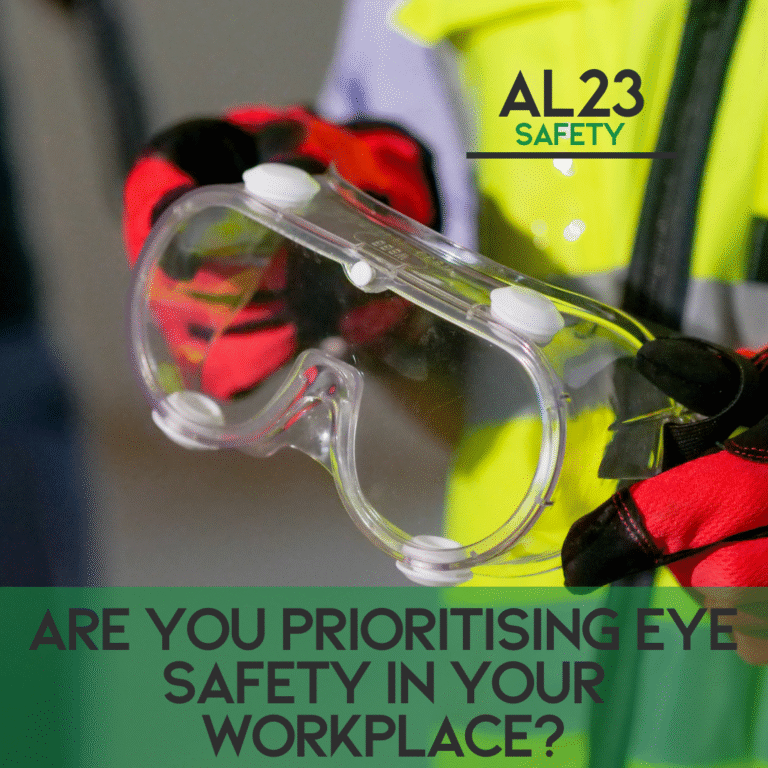
Eye safety automotive workplaces is a critical concern that demands immediate attention from employers and safety professionals. In the automotive industry, workers face constant exposure to hazardous conditions that can result in severe eye injuries, making comprehensive eye protection strategies essential for maintaining a safe working environment.
The automotive sector presents unique challenges when it comes to protecting workers’ vision. From grinding operations that generate flying metal particles to chemical handling processes that risk splash exposure, automotive eye protection requires a multifaceted approach that goes beyond simply providing basic safety glasses.
Understanding Eye Hazards in Automotive Workplaces
The automotive industry’s fast-paced, dynamic environment creates numerous opportunities for eye injuries. Workers regularly encounter flying debris from cutting and grinding operations, chemical splashes from cleaning solvents and lubricants, and radiation exposure from welding activities. These hazards make workplace eye safety a paramount concern for any responsible employer.
Recent statistics highlight the severity of this issue. Eye injuries in industrial settings cost UK businesses millions of pounds annually in compensation claims, lost productivity, and regulatory penalties. However, the human cost far exceeds the financial implications, as preventable eye injuries can result in permanent vision loss or blindness.
The Business Case for Automotive Eye Protection
Investing in comprehensive safety automotive programmes delivers substantial returns on investment. Beyond regulatory compliance, effective eye protection strategies reduce insurance premiums, minimise downtime from accidents, and enhance overall workplace productivity. Employees who feel protected and valued demonstrate higher job satisfaction and reduced turnover rates.
Consider a recent case study involving one of AL23 Safety’s clients who experienced an alarming increase in eye injuries. Our comprehensive assessment revealed that inadequate training and outdated personal protective equipment (PPE) were the primary contributing factors. The financial impact of these incidents was substantial, with compensation claims and lost productivity costing the company tens of thousands of pounds.
5 Essential Eye Safety Strategies for Automotive Workplaces
1. Implement High-Quality Safety Glasses and Goggles
The foundation of effective automotive eye protection begins with selecting appropriate eyewear that meets or exceeds British Standards (BS EN 166). Quality safety glasses must provide adequate coverage whilst remaining comfortable enough for extended wear. Look for features such as:
- Impact-resistant lenses that withstand high-velocity particles
- Anti-fog coatings to maintain clear vision in varying temperatures
- Wraparound designs that protect peripheral vision
- Prescription-compatible options for workers requiring corrective lenses
2. Deploy Face Shields for High-Risk Activities
During particularly hazardous operations such as grinding, cutting, or chemical handling, face shields provide essential additional protection. These devices complement safety glasses by offering full-face coverage against flying debris and chemical splashes. Workplace eye safety protocols should specify when face shields are mandatory and ensure workers understand proper usage techniques.
3. Establish Comprehensive Safety Training Programmes
Regular training sessions form the cornerstone of effective automotive safety training initiatives. Workers must understand the specific eye hazards present in their work environment and the importance of consistent PPE usage. Training should cover:
- Hazard identification and risk assessment
- Proper selection and fitting of eye protection
- Maintenance and inspection procedures
- Emergency response protocols
4. Develop Robust Chemical Handling Procedures
Chemical exposure represents a significant threat in automotive environments. Implementing proper handling and storage procedures reduces the likelihood of accidents that could result in eye injuries. Eye safety PPE requirements should be clearly defined for each chemical used in the workplace, with emergency eyewash stations strategically located throughout the facility.
5. Create Emergency Response Protocols
Despite the best preventive measures, accidents can still occur. Establishing clear emergency response procedures ensures rapid and effective treatment of eye injuries. This includes:
- Immediate access to eyewash stations meeting BS EN 15154 standards
- Clear evacuation procedures for serious incidents
- Regular drills to maintain response readiness
- Coordination with local emergency services
Measuring Success: Key Performance Indicators
Effective automotive eye protection programmes require ongoing monitoring and evaluation. Key performance indicators should include:
- Incident rates and severity levels
- PPE compliance rates
- Training completion statistics
- Employee feedback and satisfaction scores
- Cost savings from reduced incidents
The Role of Leadership in Workplace Eye Safety
Management commitment is crucial for successful safety automotive programmes. Leadership must demonstrate visible support for safety initiatives through adequate resource allocation, regular safety communications, and personal example. When employees see management prioritising safety PPE and following established protocols, they are more likely to embrace these practices themselves.
Technology and Innovation in Eye Protection
The automotive industry continues to evolve, with new technologies offering enhanced protection capabilities. Smart safety glasses with integrated heads-up displays, improved lens materials with superior impact resistance, and advanced coating technologies all contribute to better workplace eye safety outcomes.
Regulatory Compliance and Legal Obligations
UK employers have specific legal obligations regarding eye protection under the Health and Safety at Work Act 1974 and the Personal Protective Equipment at Work Regulations 2022. Failure to provide adequate automotive eye protection can result in prosecution, substantial fines, and civil liability for injuries.
Conclusion: Building a Culture of Eye Safety
Implementing comprehensive eye safety automotive strategies requires commitment, resources, and ongoing attention. However, the benefits reduced injuries, improved productivity, and enhanced employee wellbeing, far outweigh the costs. By prioritising automotive eye protection and investing in quality eye safety PPE, employers can create safer workplaces whilst meeting their legal obligations.
The transformation of workplace eye safety culture begins with leadership commitment and extends through every level of the organisation. When employees understand the importance of eye protection and have access to appropriate equipment and training, the result is a safer, more productive working environment that benefits everyone involved.
For comprehensive automotive safety training and eye safety PPE solutions tailored to your specific workplace requirements, contact AL23 Safety today. Our expert team can help you develop and implement eye protection strategies that protect your workforce whilst ensuring full regulatory compliance.
![Creating a Safer Workplace: The Importance of Health and Fire Safety Services In today's business environment, prioritising health and fire safety is not just a regulatory obligation but a moral imperative. With the constant evolution of legislation and safety standards, businesses must stay informed and compliant to protect their employees and assets. At AL23 Safety, our comprehensive range of services supports you in developing a safer, more compliant, and productive workplace. Understanding the Legislative Landscape To create a robust health and safety culture, businesses must understand the intricate web of UK regulations that govern workplace safety. The Health and Safety at Work Act 1974, the Regulatory Reform (Fire Safety) Order 2005, and the Management of Health and Safety at Work Regulations 1999, among others, set the foundation for compliance. Our consultants at AL23 Safety leverage extensive knowledge of these laws to provide tailored strategies, ensuring you meet and exceed compliance expectations. Tailored Fire Risk Assessments One of our core offerings is detailed fire risk assessments. The Regulatory Reform (Fire Safety) Order mandates that businesses conduct thorough assessments to identify fire hazards, evaluate risks, and implement control measures. We employ a meticulous approach by analysing the specific needs of your establishment, ensuring that every potential risk is addressed effectively. Fire Strategy Development In conjunction with risk assessments, we develop bespoke fire strategies that align with your unique operational needs. This proactive planning not only helps in compliance but significantly reduces the likelihood of incidents, creating a safer environment for everyone. Our approach is data-driven, allowing us to implement strategies supported by best practice guidelines and industry standards. Ongoing Support and Training Safety doesn’t stop at implementation. AL23 Safety offers ongoing support and training to ensure your team is equipped to handle emergencies. Our training sessions cover essential areas, including fire safety protocols, evacuation procedures, and equipment handling. With 24/7 access to our consultancy services, you can navigate challenges with confidence, knowing that expert advice is just a call away. Empowering Your Business Through Safety At AL23 Safety, we are dedicated to empowering businesses by cultivating an environment of safety that nurtures productivity and innovation. Our hands-on consultants are not just experts; they are your partners in achieving a culture of excellence in health and safety. Partnering with us means choosing a future where safety is ingrained in every aspect of your operations. Let us help you navigate the complexities of health and fire safety. Discover our tailored services that can transform your workplace into a model of compliance and safety excellence. [Visit our services] for more information.](https://al23safety.com/wp-content/uploads/2026/04/CreatingaSaferWorkplaceTheEssentialRoleofHealthandFireSafetyServices.png)