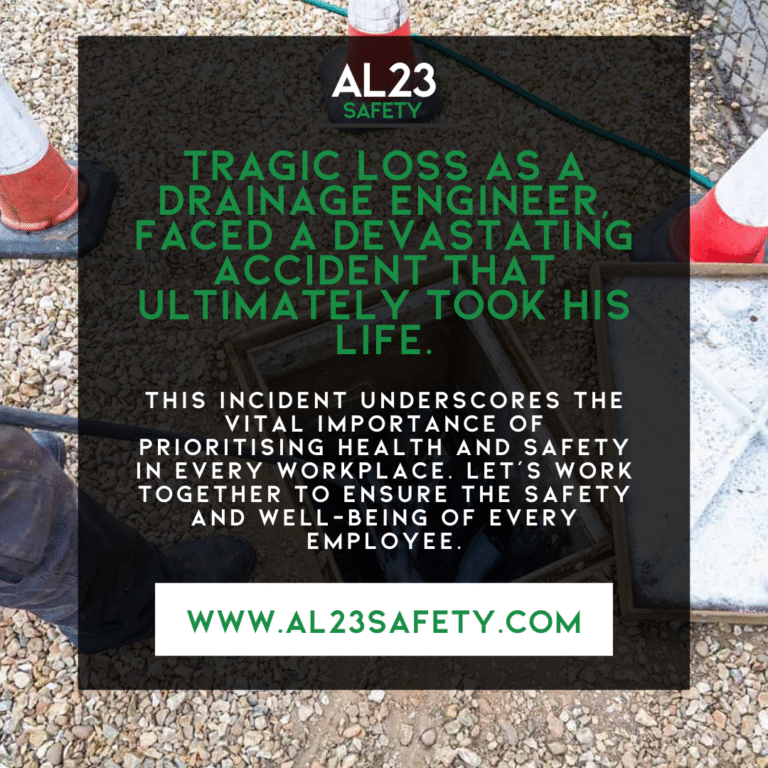
Drainage safety remains a critical priority for any organisation operating in the utilities and drainage sector. The recent £800,000 fine imposed on Lanes Group Limited following the tragic death of engineer Miguel Galvao serves as a stark reminder of what can go wrong when essential drainage safety protocols are overlooked.
On 10 December 2022, Miguel Galvao suffered fatal injuries when a high-pressure jetting hose exploded during routine drainage work. The Health and Safety Executive (HSE) investigation revealed serious shortcomings in the company’s approach to drainage safety, highlighting failures that every drainage operator should urgently review.
Key Safety Failures Exposed by the HSE
The HSE identified several critical gaps in Lanes Group’s systems that directly contributed to the incident:
- No safe system of work for high-pressure water jetting operations
- Inadequate maintenance of jetting equipment
- Insufficient training for employees using hazardous drainage tools
- Lack of specific risk assessments for non-routine conditions, such as working in freezing temperatures
These drainage safety failures are not unique to one company. Similar issues continue to appear across the industry, particularly when operators treat high-pressure jetting as routine rather than inherently dangerous work.
Why Drainage Safety Protocols Matter in Extreme Conditions
Freezing weather significantly increases risks during drainage operations. Water in hoses can freeze, creating blockages that lead to sudden pressure surges. Without proper drainage safety measures such as thawing procedures, pressure monitoring, and hose securing protocols, catastrophic failures become far more likely.
The Water Jetting Association responded swiftly to this incident by issuing a safety alert emphasising the need to secure hoses properly before pressurising the system. This simple yet vital step forms part of robust drainage safety protocols that every operator should implement immediately.
5 Essential Drainage Safety Lessons Every Operator Must Apply
- Conduct thorough risk assessments for all jetting tasks, including specific assessments for adverse weather conditions.
- Establish and document clear safe systems of work that detail every step of high-pressure jetting operations.
- Invest in comprehensive training ensuring all operatives understand equipment limitations and emergency procedures.
- Implement rigorous equipment maintenance schedules with recorded inspections and immediate defect reporting.
- Foster a strong safety culture where employees feel empowered to stop work if conditions become unsafe.
Implementing these safety lessons can prevent both tragic loss of life and substantial financial penalties.
Building Effective Drainage Safety Measures for Long-Term Protection
Organisations serious about safety must move beyond basic compliance. Developing a comprehensive health and safety management system tailored to drainage operations provides the foundation for sustainable improvement.
Regular equipment checks, ongoing staff training, and independent safety audits all contribute to stronger drainage safety measures. When combined with clear communication channels and genuine management commitment, these steps create an environment where safety becomes second nature.
The True Cost of Neglecting Drainage Safety
The £800,000 fine represents only part of the consequences faced by Lanes Group. Reputational damage, lost productivity, and most importantly, the devastating impact on Miguel Galvao’s family demonstrate why cutting corners on drainage safety is never acceptable.
Business leaders must recognise that investing in proper drainage safety protocols delivers far greater returns than any short-term savings from reduced training or maintenance. A safe workforce is a productive workforce, and employees who feel protected perform better and remain loyal longer.
How AL23 Safety Can Help Strengthen Your Drainage Safety Practices
At AL23 Safety, we specialise in providing tailored health and safety solutions for drainage and utilities operators across the UK. Our expert consultants can help you:
- Develop bespoke risk assessments for high-pressure jetting
- Create robust safe systems of work
- Deliver targeted training programmes for your teams
- Implement effective equipment management systems
- Achieve full compliance while building a genuine safety culture
Don’t wait for an HSE investigation to highlight weaknesses in your drainage safety measures. Proactive investment today prevents tragedy tomorrow.
The Lanes Group case provides powerful drainage safety lessons that every organisation should heed. By prioritising proper protocols, comprehensive training, and regular equipment maintenance, you protect your people, your reputation, and your business.
Contact AL23 Safety today to review and enhance your drainage safety practices. Together, we can ensure that no family suffers the loss experienced by Miguel Galvao’s loved ones.