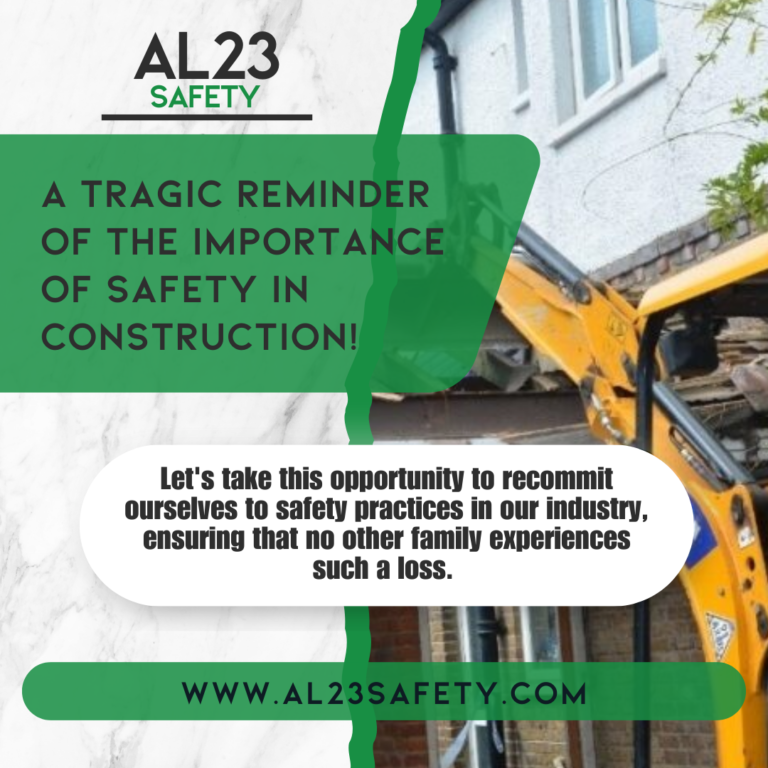
Construction fatality incidents continue to plague the UK construction industry, serving as heartbreaking reminders that neglecting safety can lead to irreversible loss. The recent case of a self-employed contractor jailed for 12 months following the death of a 19-year-old worker underscores the critical need for robust construction safety compliance. This preventable tragedy occurred during demolition work on a garage roof in Surrey, where basic fall prevention measures were entirely absent, resulting in a fatal fall and severe consequences for all involved.
In August 2025, 19-year-old Thomas Neate, known as Tom, was hired to assist with demolishing a garage in preparation for a property extension. While working directly on the roof removing tiles and materials, he fell through an opening, sustaining catastrophic head injuries. Despite hospital treatment, Tom tragically passed away several weeks later. The Health and Safety Executive (HSE) investigation revealed a complete failure to implement any form of fall protection, no scaffolding, edge guarding, decking or other systems to mitigate the obvious risks of working at height.
This construction fatality is far from isolated. Falls from height remain one of the leading causes of fatal injuries in construction, accounting for a significant proportion of annual deaths reported by the HSE. The absence of proper planning and controls in this instance led to the contractor, Jason Hill, pleading guilty to breaching Section 3(2) of the Health and Safety at Work etc. Act 1974. Sentenced at Staines Magistrates Court in January 2026, the 12-month immediate custodial term reflects the severity of the breach and the preventable nature of the incident.
Why Construction Safety Compliance Must Be Prioritised
Construction safety compliance is not optional paperwork; it is a legal and moral imperative. Duty holders including employers, self-employed contractors and those in control of work, must ensure the health and safety of employees and others affected by their activities. This includes conducting thorough risk assessments before any task begins, especially high-risk operations like working at height or demolition.
Key obligations under UK law include:
- Identifying hazards such as fragile surfaces, unprotected edges or unstable structures.
- Implementing the hierarchy of controls: avoid work at height where possible, then prevent falls through collective measures like scaffolding or edge protection and finally minimise consequences with personal fall arrest systems.
- Providing appropriate training, supervision and equipment.
In this case, the complete lack of such measures directly contributed to the construction fatality, highlighting how shortcuts can devastate lives and lead to severe legal repercussions.
The Hidden Dangers: Asbestos Risk Assessment in Demolition Work
Another alarming aspect of this incident involves potential asbestos exposure. During the demolition, corrugated concrete sheets were removed without any prior check for asbestos-containing materials. The HSE stresses that before any demolition or refurbishment work commences, a comprehensive asbestos risk assessment must be carried out by a competent surveyor. Failure to do so risks releasing deadly fibres, endangering not only workers but also residents, neighbours and the public.
Asbestos-related diseases claim thousands of lives annually in the UK, often manifesting decades after exposure. This case serves as a stark warning: assuming a structure is asbestos-free without evidence is dangerously negligent. Proper surveys and management plans are essential components of construction safety compliance, preventing long-term health crises alongside immediate physical risks.
Building a Culture of Safety to Prevent Future Construction Fatality Cases
The family of the victim poignantly warned that ignoring health and safety “has irreversible consequences.” Their words echo the urgent need for a proactive safety culture across the sector. Contractors of all sizes must:
- Invest in regular training and competency checks for workers.
- Use competent professionals for risk assessments and method statements.
- Monitor and review safety systems continuously.
- Consult with employees and seek expert advice when needed.
By embedding these practices, businesses can significantly reduce the likelihood of construction fatality incidents and foster safer working environments.
Final Thoughts on HSE Safety Regulations and Next Steps
This tragic construction fatality is a powerful wake-up call for the entire industry. The 12-month prison sentence handed down demonstrates that courts will not tolerate breaches of HSE safety regulations when they result in loss of life. Neglect carries profound personal, financial and reputational costs.
To avoid similar outcomes, seek guidance from experienced health and safety consultants who specialise in construction. At AL23 Safety, we offer tailored solutions, including risk assessments, asbestos management, working at height training and compliance audits designed to meet your specific project needs. Prioritising safety today protects lives, safeguards your business and ensures you meet legal duties effectively.
Don’t wait for tragedy to strike, commit to excellence in construction safety compliance now. Contact us to discuss how we can help build a safer future for your team and operations.