Waking Watch Services Revolution: 7 Powerful Strategies to Boost Safety in High-Risk Buildings
Ensuring Safety in High-Risk Buildings with Waking Watch Services Fire safety is a critical concern for property owners and tenants, especially in buildings identified as high-risk. AL23 Safety offers specialist Waking Watch services designed to provide continuous monitoring and rapid response strategies crucial for safeguarding occupants. 1. What is Waking Watch? Waking Watch refers to the deployment of trained fire wardens who actively patrol a building 24/7. Their role is multifaceted – ensuring immediate alerts to residents in the event of a fire, directing emergency services, and coordinating safe evacuations. This proactive measure plays a vital role in preventing potential disasters and ensuring compliance with fire safety regulations. 2. The Importance of Continuous Vigilance High-risk buildings, such as those with cladding issues, outdated fire suppression systems, or large numbers of residents, can greatly benefit from Waking Watch services. Here’s why: - Immediate response to fires or alarms - Managing a safe evacuation in emergencies - Maintaining compliance with Fire Safety Act provisions 3. Understanding Legal Obligations Property owners have a legal duty to ensure the safety of their premises. This includes conducting fire risk assessments and implementing appropriate safety measures. Waking Watch is an effective solution to enhance compliance and demonstrate commitment to fire safety regulations. 4. AL23 Safety’s Tailored Approach At AL23 Safety, we take pride in understanding the unique challenges of each building. Our teams are not only trained in fire safety protocols but also know the specific layout and needs of the buildings they monitor. This bespoke service guarantees a higher level of safety for every tenant. 5. Case Studies and Real-World Application Our experience speaks volumes. For instance, a client reached out after a fire broke out in a nearby building. We immediately deployed a skilled Waking Watch team to their premises. The presence of our wardens ensured that residents were kept safe during a potential crisis, leading to successful evacuations without any incidents. 6. Training and Development Our Waking Watch personnel undergo rigorous training, which includes understanding building layouts, fire safety procedures, and effective communication strategies. Regular drills help maintain a high standard of readiness, equipping our wardens with the skills needed to respond confidently. 7. Conclusion Choosing Waking Watch services from AL23 Safety can significantly enhance the safety of your high-risk building. Don’t compromise on safety! Connect with us to explore how our tailored Waking Watch solutions can provide peace of mind and protection for you and your tenants. With 24/7 access to our expertise, AL23 Safety is your reliable partner in prioritising fire safety and compliance.

Waking watch services are transforming fire safety protocols in high-risk buildings across the UK, providing round-the-clock vigilance that can mean the difference between disaster and security. In an era where cladding issues and outdated systems pose significant threats, AL23 Safety stands at the forefront, offering specialist waking watch services designed to monitor premises continuously and […]

Fire Safety Audits Revolution: 7 Powerful Strategies to Shield Your Business Now
Fire Safety Audits: Why They Are Essential for Your Business In today’s increasingly regulated environment, ensuring compliance with fire safety legislation is not just about meeting legal obligations—it's about protecting lives and assets. At AL23 Safety, we understand that a robust fire safety strategy begins with a thorough audit. This blog will delve into the significance of fire safety audits, the process involved, and how AL23 Safety can help your organisation navigate the complexities of fire safety compliance. Fire safety audits are comprehensive evaluations of a building's fire safety systems and protocols. They serve as a crucial first step in identifying weaknesses that could lead to significant risks. By assessing your current systems against established regulations and best practices, we equip you with a clear understanding of where you stand and what improvements can be made. Key components of fire safety audits include: - Evaluation of fire alarm systems - Inspection of emergency exits and escape routes - Review of fire risk assessments - Examination of fire equipment maintenance records - Checking compliance with the Regulatory Reform (Fire Safety) Order 2005 By employing experienced consultants who speak the language of fire safety legislation, AL23 Safety provides tailored solutions designed to fit the specific needs of your business, regardless of the sector or size. In our experience, regular audits can prevent common pitfalls that lead to brush-up inspections or unsafe conditions. After one of our recent audits, a client in the hospitality sector discovered several non-compliance issues that, if left unchecked, could have resulted in severe penalties. Our detailed report provided them with actionable insights on how to rectify these issues, establishing a safer environment for their staff and patrons. As we navigate through the audit process together, you will gain invaluable insights that not only comply with legal requirements but also foster a culture of safety within your workplace. Safety should never be an afterthought; it is a commitment you make to your employees, customers, and stakeholders. In summary, a fire safety audit is not just a checklist—it’s a strategic tool that helps your organisation mitigate risks and maintain compliance. Ensure your building is not only compliant but also a safe space. Contact us today to learn about our fire safety services and how we can support your business in achieving its safety objectives.

Fire safety audits are transforming how UK businesses approach risk management, turning potential vulnerabilities into fortified strengths. In an era where regulatory demands are stricter than ever, conducting regular fire safety audits isn’t merely a legal tick-box exercise, it’s a proactive shield against disasters that could endanger lives, damage property, and cripple operations. At AL23 […]

Decrease in Workplace Fatalities: 7 Essential Strategies to Slash Risks and Save Lives
The latest Health and Safety Executive (HSE) report provides critical insights into workplace safety, revealing that 124 fatalities occurred in work-related incidents during the 2024/25 fiscal year. While this represents a welcome reduction from 138 the previous year, each death underscores the paramount importance of robust health and safety practices. The most alarming statistic from the HSE report is the sustained prevalence of falls from height, which accounted for 35 fatalities—down significantly from 50 the prior year. This persistent risk remains the most common cause of workplace death, highlighting a gap in safety protocols that can be addressed. Workers in the construction and agricultural sectors continue to face the highest risks, together accounting for nearly half of all fatalities this year. In reviewing fatalities through the lens of employment rates, it is essential to calculate the fatal injury rate as a measure of risk across various sectors. For 2024/25, the rate stood at 0.37 fatalities per 100,000 workers, indicating a long-term downward trend even as fluctuations occur year-on-year. The report also points to a concerning statistic regarding the self-employed, who represent around 40% of workplace fatalities while constituting only approximately 15% of the workforce. This disparity highlights potential safety gaps, particularly in high-risk industries. The statistics draw particular attention to the over-60 age group, which represented 40% of fatalities, reflecting the vital need for ongoing training and awareness programs tailored specifically for older workers. Moreover, public safety remains a crucial concern, with 92 members of the public killed in work-related incidents this past year—a statistic that underscores the breadth of workplace safety responsibilities beyond employees. In conclusion, while a reduction in fatalities is a positive development, we at AL23 Safety urge all businesses to evaluate their existing health and safety measures critically. With the right strategies, training, and commitment to safety culture, we can work towards zero workplace deaths and ensure that every individual returns home safely at the end of each working day. For further insights and tailored safety solutions for your business, be sure to explore our services and enhance your workplace safety today.

Decrease in workplace fatalities is a positive sign of progress in the UK’s health and safety landscape, as highlighted by the latest Health and Safety Executive (HSE) report for 2024/25. With 124 work-related deaths recorded, a reduction from 138 the previous year, this downward trend underscores the impact of robust safety measures. However, each fatality […]

Fire Drills in Workplace Safety: 5 Powerful Strategies to Boost Emergency Preparedness
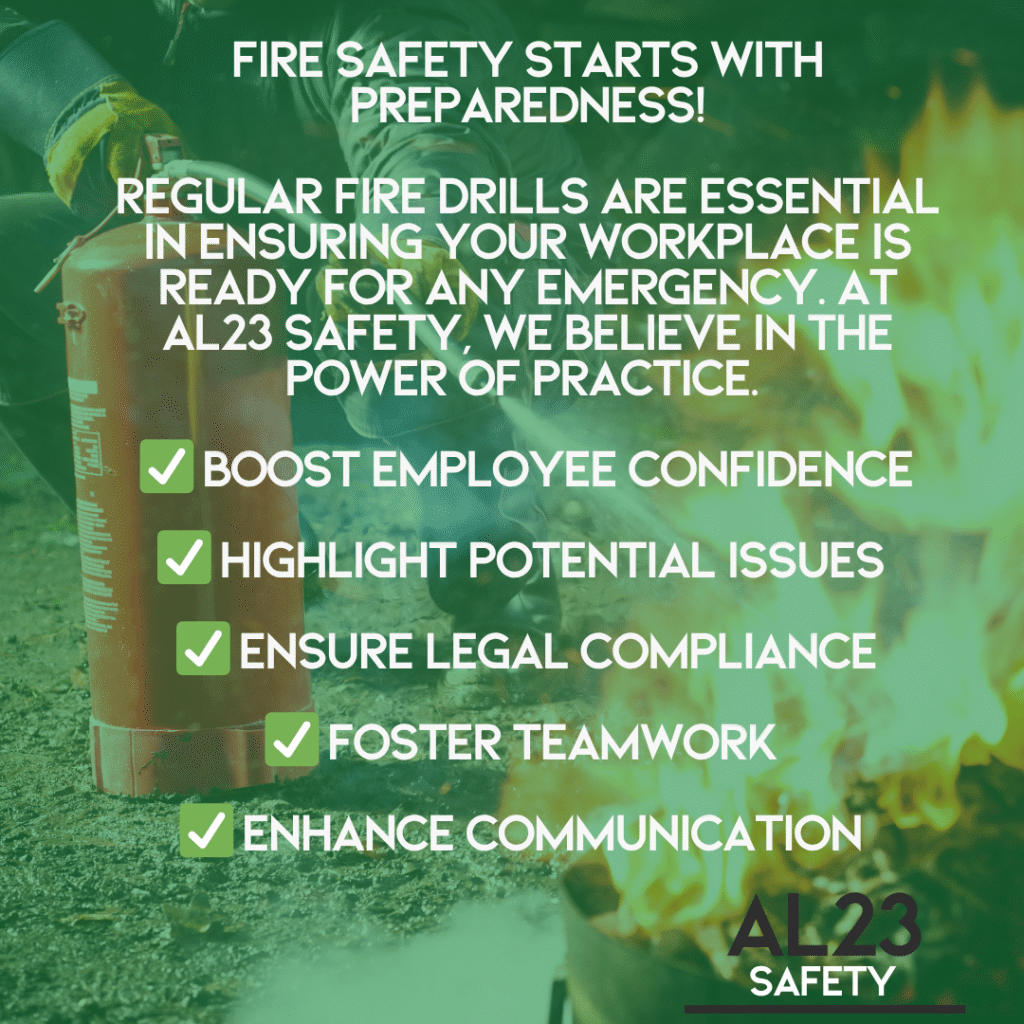
Fire Drills in Workplace Safety: 5 Powerful Strategies to Boost Emergency Preparedness

Fire drills in workplace safety are not merely routine exercises; they are vital lifelines that can mean the difference between chaos and calm during an emergency. In the UK, where stringent regulations demand proactive measures, integrating regular fire drills into your health and safety framework is essential for protecting lives, minimising risks, and ensuring business […]

Workplace Safety Boost: 7 Powerful Ways AL23 Safety Transforms Your Business
Ensuring workplace safety is no longer just about checking boxes; it’s about crafting a culture that prioritizes employee well-being and compliance with UK laws. At AL23 Safety, we understand the unique challenges faced by businesses and offer a suite of tailored services designed to mitigate risks and enhance safety measures. ### The Importance of Tailored Risk Assessments Conducting thorough risk assessments is the bedrock of a robust health and safety strategy. Your workplace is unique, with its own blend of hazards and challenges. Our consultants take the time to understand your business operations fully and identify potential risks, ensuring that nothing is overlooked. By addressing these risks proactively, we help you avoid accidents, reduce liability, and foster a safe working environment. ### Engaging and Effective Training Programs Training is a critical aspect of workplace safety that can often be overlooked. Many employees are unaware of the specific protocols that protect them daily. AL23 Safety offers engaging training programmes that are customised to your employees' needs. Through hands-on workshops and informative sessions, we empower staff with the knowledge and skills necessary to maintain a safe workplace. ### Cultivating a Culture of Continuous Improvement Safety management shouldn’t just be a one-off effort; it requires ongoing commitment and continuous improvement. AL23 Safety advocates for creating a safety culture within your organisation, where employees feel valued and motivated to contribute to health and safety efforts. Our expert consultants work alongside you to develop a strategy that encourages feedback and incorporates the latest best practices into your operations. ### Conclusion Investing in health and safety is investing in your business's future. At AL23 Safety, we are here to equip you with the means to achieve the highest standards of workplace safety. Our dedication to understanding and addressing your unique challenges sets us apart from the competition. If you’re ready to enhance your workplace safety, visit our services to learn more about how we can assist.

Workplace safety is more than a regulatory requirement, it’s the foundation of a thriving, resilient business. In today’s fast-paced UK work environments, prioritising workplace safety not only ensures compliance with laws like the Health and Safety at Work Act 1974 but also boosts employee morale, reduces downtime, and enhances overall productivity. At AL23 Safety, we […]

7 Critical Fire Safety Compliance Failures That Cost Construction Firms £165,000
In light of a recent case where an Altrincham-based construction firm was fined £165,000 for serious fire safety violations, it's crucial for businesses to prioritise health and safety compliance. This incident not only highlights the legal ramifications of neglecting fire safety regulations but also the serious risks to workers and the public. Glovers Court Ltd was found guilty of failing to implement basic fire precautions during their renovation of a former warehouse into 35 apartments. Key failures included the absence of fire detection systems, means of raising alarms, and adequate escape plans. Such oversights led to prohibition notices from the Health and Safety Executive (HSE) and Lancashire Fire and Rescue Service, resulting in a halt to all ongoing work. The need for compliance with UK health and safety laws is paramount, especially in the construction industry, where the risks are high. Each year, numerous construction site fires jeopardise worker safety, and businesses must take necessary precautions to ensure the well-being of their employees and clients. At AL23 Safety, we offer an array of services designed to support your compliance with health and safety laws, ensuring that incidents like this do not occur in your workplace. Our offerings include conducting thorough risk assessments, improving health and safety management systems, and providing extensive training for your employees. When you partner with AL23 Safety, you are investing in a culture of safety and compliance. Our dedicated consultants are equipped to navigate your unique challenges, providing tailored solutions that promote workplace safety and continuous improvement. Don't wait for a wake-up call; ensure your business adheres to relevant health and safety regulations. Explore our services today and take the first step towards a safer, more compliant workplace.

The construction industry faces mounting pressure to maintain rigorous fire safety compliance standards, as demonstrated by a recent case that resulted in devastating financial penalties. An Altrincham-based construction firm’s £165,000 fine serves as a stark reminder of the severe consequences awaiting businesses that neglect their legal obligations. The Costly Reality of Fire Safety Compliance Failures […]

10 Essential Fire Compartmentation Survey Benefits That Will Transform Your Business Safety Strategy
Fire compartmentation is a critical component in the realm of fire safety management, designed to contain and control fires through physical barriers. Effective compartmentation not only enhances safety for building occupants but also significantly reduces the financial implications of fire damage. This blog explores the essentials of fire compartmentation, how to conduct a thorough survey, the legal requirements in the UK, common weaknesses found, and practical solutions to enhance your current fire safety strategy. Understanding Fire Compartmentation The principle behind fire compartmentation is simple: confining a fire to its room or area of origin prevents it from spreading through the entire building. Fire-resistant barriers, such as walls, floors, and doors, are installed to delay and control the passage of smoke and flames, thereby allowing time for safe evacuation and reducing the overall damage. Legal Requirements in the UK UK fire safety regulations mandate that businesses undertake fire risk assessments and ensure effective compartmentation measures are in place. Failure to comply can lead to severe penalties, not to mention the catastrophic outcomes of an uncontrolled fire. Regular fire compartmentation surveys can enhance compliance and safeguard your organisation. Conducting a Fire Compartmentation Survey A thorough compartmentation survey typically involves: 1. Visual Inspections: Assessing existing fire-resistant barriers and their Condition 2. Documentation Review: Evaluating architectural plans and regulatory compliance 3. Risk Identification: Spotting potential breaches and weaknesses 4. Recommendations: Providing practical solutions to address identified issues Common Weaknesses Found in Fire Compartmentation Findings from surveys often reveal: - Openings in walls for service installations - Poorly sealed joints and gaps - Inadequate fire doors or damaged fire-resistant surfaces - Obstructions within escape routes Addressing these weaknesses is essential for enhancing the overall fire safety strategy. Practical Solutions To strengthen fire compartmentation, businesses should consider the following: 1. Regular Surveys: Schedule frequent compartmentation surveys to identify and rectify issues promptly. 2. Employee Training: Ensure staff are aware of fire safety protocols and the importance of maintaining compartmentation. 3. Maintenance Schedules: Implement a maintenance strategy to address wear and tear on fire-resistive barriers. Conclusion A robust fire compartmentation strategy is integral to protecting lives and assets. Partner with AL23 Safety to conduct comprehensive fire compartmentation surveys, ensuring that your building meets the highest safety standards and complies with UK regulations. It’s time to take proactive steps towards a safer work environment!

A fire compartmentation survey represents one of the most critical investments your business can make in protecting lives, property, and operational continuity. As fire safety regulations become increasingly stringent across the UK, understanding the vital role of compartmentation assessments has never been more important for business owners and facility managers. Understanding Fire Compartmentation: The Foundation […]

5 Critical HSE Statistics That Prove Workplace Safety Training Saves Lives in 2025
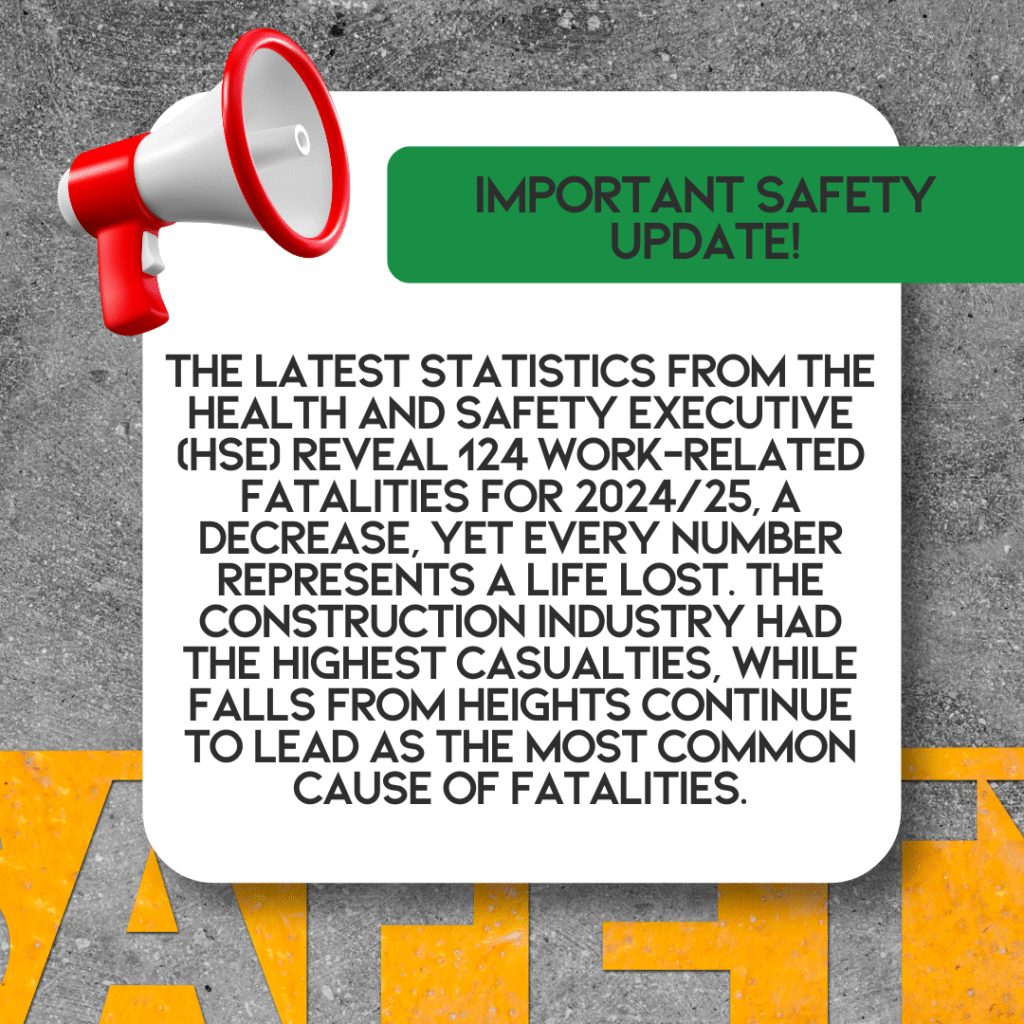
As the latest statistics on work-related fatalities have been released by the Health and Safety Executive (HSE), the significance of health and safety cannot be overstated. The numbers, which show 124 fatalities for the year 2024/25, reflect progress, yet they also serve as a reminder of the ongoing challenges that industries face in protecting their workforce. The highest number of deaths occurred in the construction sector, followed closely by agriculture, forestry, and fishing. Falls from height remained the most common cause of these fatalities, emphasizing the need for effective safety measures to prevent such incidents. The situation presents an opportunity for businesses to rethink their health and safety strategies. At AL23 Safety, we are committed to helping businesses navigate these challenges effectively. Our tailored solutions include comprehensive risk assessments, expert training for employees, and ongoing support to ensure compliance with UK health and safety laws. Join us as we delve into the key findings of the HSE report, explore best practices for enhancing workplace safety, and discuss how our services can help create a safer work environment for everyone. In this blog, we aim to provide actionable insights that business owners and managers can use to bolster their health and safety strategies. We will highlight the importance of a proactive approach to workplace safety, recognising that while the statistics reflect a downward trend, every life lost is a tragedy that could potentially be avoided. From the importance of implementing safety measures in high-risk areas, such as construction, to understanding the necessity of continuous training and compliance checks, we will cover various aspects that make a significant impact on workplace safety. In addition, we will discuss the role of a dedicated health and safety consultant and how partnering with AL23 Safety can transform your workplace culture into one prioritising safety and compliance. Increase awareness within your organisation, and allow AL23 Safety to guide you every step of the way towards a safer, more compliant, and ultimately more productive workplace. Discover more by exploring our services today and taking the first step towards achieving the highest standards of safety for your team.

The latest Health and Safety Executive (HSE) statistics reveal a sobering reality: workplace safety training remains more crucial than ever for protecting British workers. With 124 work-related fatalities recorded in 2024/25, these figures underscore why comprehensive workplace safety training programmes are not just regulatory requirements, they’re lifesaving investments. At AL23 Safety, we’ve analysed these critical […]

5 Essential Fire Safety Steps Every UK Business Must Take This Summer

As the summer season approaches, businesses are often focused on planning holidays and enjoying the warmer weather. However, amidst all the excitement, it’s crucial not to overlook a vital aspect of workplace safety: fire safety. The summer presents unique challenges and risks, making it the perfect time to revisit your fire safety strategy and ensure compliance with UK legislation. Here, we will explore the importance of fire safety assessments and training, discussing how businesses can safeguard their premises and stakeholders. **Understanding Fire Risks** Fire risks can vary significantly from industry to industry, influenced by various factors including materials used, workspace organisation, and staff training. Conducting thorough Fire Risk Assessments (FRAs) helps identify specific hazards within your workplace, allowing you to implement tailored solutions. It's not just about compliance; it’s about protecting lives. **Importance of Fire Risk Assessments** FRAs are a legal requirement under the Regulatory Reform (Fire Safety) Order 2005. They provide a detailed analysis of potential fire hazards, evaluated by a skilled consultant. Conducted properly, FRAs can pinpoint vulnerabilities in your safety plans and offer recommendations to mitigate risks. **Training Your Staff** Equipping your staff with essential fire safety knowledge is paramount. This goes beyond what they might learn in a single training session; it incorporates regular fire drills and updates. Appropriate training empowers your employees to act decisively during a fire emergency, significantly improving their safety and that of their colleagues. **Fire Door Inspections** Beyond assessments and training, ensuring fire doors are in optimal condition can be a lifesaver. Fire doors are designed to contain fires and prevent smoke from infiltrating other areas. Regular inspections can reveal any wear and vulnerabilities, ensuring your emergency escape routes are viable and compliant with UK fire safety standards. **Integrating Fire Strategy Development** A comprehensive fire safety plan should be an integral part of your overall safety strategy. This involves creating detailed procedures for evacuation, maintenance schedules for fire safety equipment, and guidelines for future staff training. Regularly review and update your fire strategy to ensure its efficacy. **Conclusion** The importance of prioritising fire safety as summer approaches cannot be understated. With AL23 Safety by your side, you will gain access to a full range of health and fire safety services, ensuring compliance, safety, and peace of mind. Remember, effective fire safety is proactive, not reactive – act now! For tailored fire safety solutions and ongoing support, explore our services today.

As the summer season approaches, businesses across the UK are often focused on planning holidays and enjoying the warmer weather. However, amidst all the excitement, it’s crucial not to overlook a vital aspect of workplace safety: fire safety assessments and comprehensive fire protection measures. The summer presents unique challenges and risks, making it the perfect […]