5 Urgent Lessons from Lab 21 Fines: Vital Health and Safety Compliance Insights
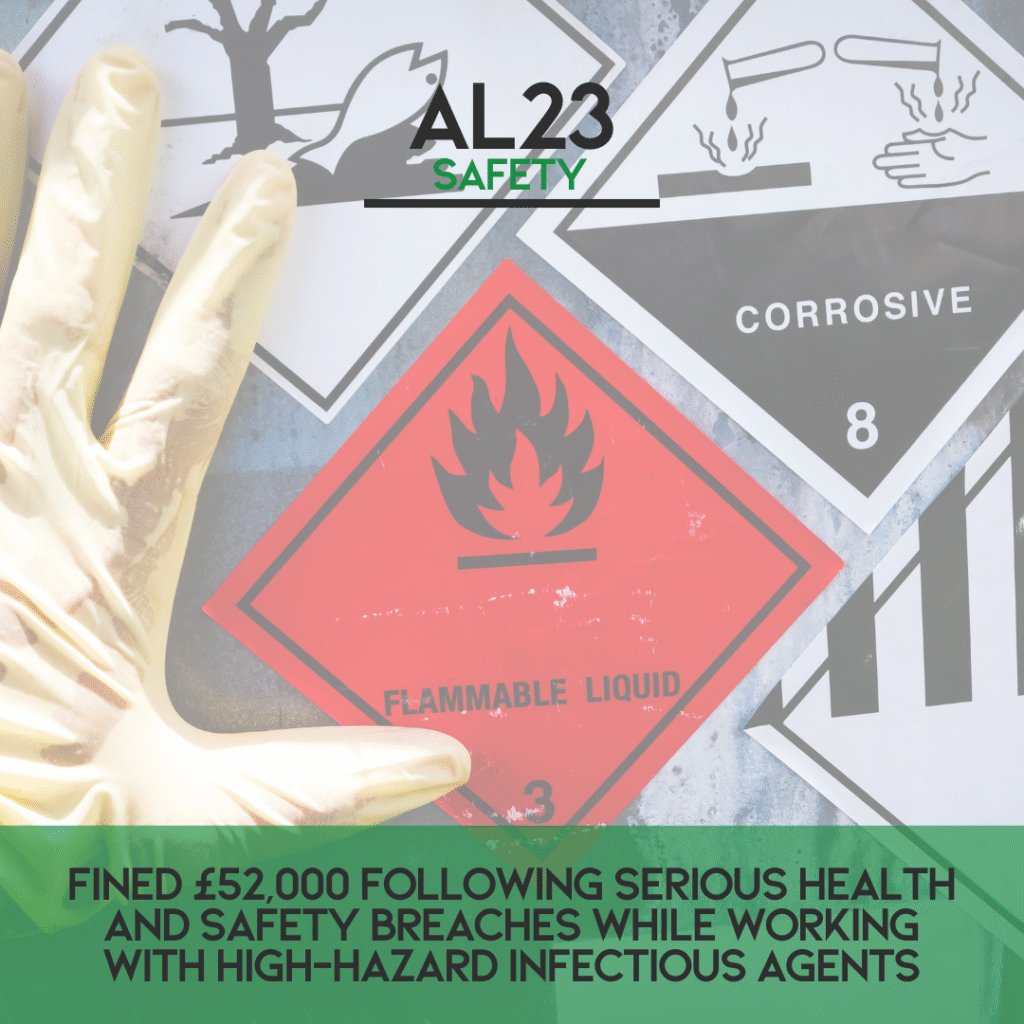
In light of recent events surrounding Lab 21 Healthcare Ltd, it’s essential to reflect on the significance of compliance with health and safety regulations, particularly when dealing with infectious agents. With the Health and Safety Executive (HSE) imposing a £52,000 fine for breaches related to Salmonella typhi, businesses must take urgent actions to safeguard both employees and the community. In this blog, we will explore the implications of failing to adhere to regulations for hazardous materials, the importance of proper notifications to health authorities, and the necessity of maintaining safety equipment. Additionally, we will delve into regulatory frameworks, preventive measures, and how AL23 Safety can support your organisation in aligning with best practices. For businesses operating in high-risk industries, it’s not just about compliance; it’s about fostering a culture of safety that permeates every level of the organisation. We’ll provide insights into effective safety management systems, risk assessments, and tailored solutions designed to create a safer working environment. Stay tuned as we unpack strategies and shared experiences to help guide your organisation towards the highest standards of health and safety compliance.

Health and safety compliance is the cornerstone of protecting employees and the wider community in high-risk industries, yet the recent £52,000 fine imposed on Lab 21 Healthcare Ltd by the Health and Safety Executive (HSE) serves as a stark reminder of the consequences of falling short. This case, involving breaches related to handling Salmonella typhi, […]

5 Critical Steps to Boost Workplace Hearing Protection Compliance
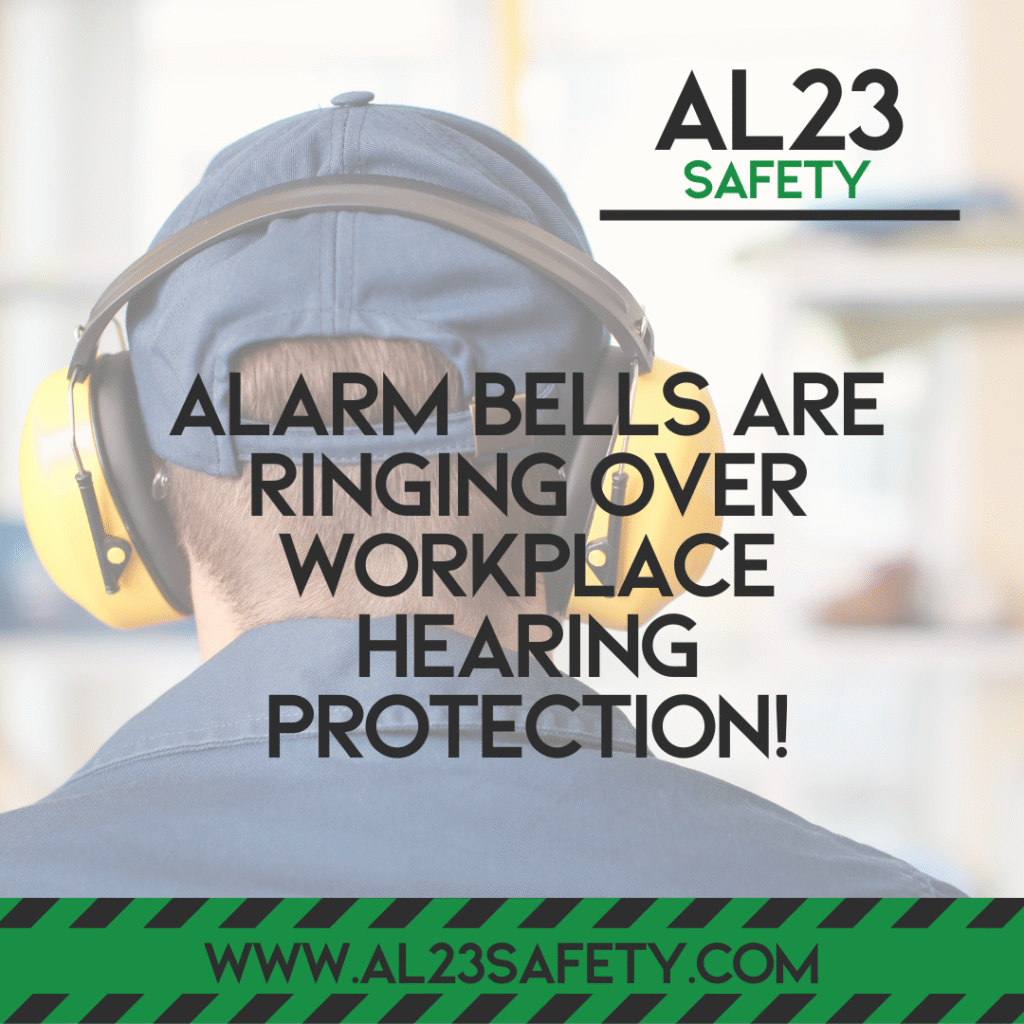
Noise pollution in the workplace is not a trivial matter; it poses significant risks to employee health and productivity. The recent inspection campaign by the Health and Safety Executive (HSE) has brought to light serious gaps in how businesses manage workplace hearing protection. As consultants at AL23 Safety, we want to delve into the implications of these findings and how effective risk management practices can ensure compliance and protect workers. The HSE's findings indicate that a staggering 75% of employees in noisy environments lack the essential knowledge to manage their hearing protection effectively. This alarming statistic reveals vital areas for improvement and underscores the importance of ongoing education and training. Employers are legally obliged to provide adequate hearing protection where noise levels exceed set limits; however, knowledge and awareness are equally crucial. High noise levels can lead to long-term hearing damage, which can severely impact employees' quality of life and their ability to perform at work. Ensuring compliance with established regulations is not just about having the correct equipment in place; it's also about making sure that employees know how to use it and can identify potential risks. A comprehensive hearing protection programme should include training on storing and checking protection equipment, as well as protocols for reporting damage. When employees understand the importance of continuous use and proper wearing techniques, they are less likely to expose themselves to harmful noise levels. The findings also highlighted how 95% of employers did not check whether workers could hear essential warning signals while wearing protection. This is incredibly concerning, as it places employees at risk, especially in environments where audible alerts are essential for safety. To address these challenges, the HSE promotes the CUFF system – Condition, Use, Fit the ear, and Fit for purpose. Employers are encouraged to implement this simple yet effective checking system to ensure that hearing protection is functioning as intended and that employees are adequately protected. At AL23 Safety, we understand the critical role that tailored solutions play in managing health and safety risks effectively. Our dedicated team can assist businesses in enhancing their approach to hearing protection, providing training and compliance support tailored to your unique needs. The path to a safer workplace starts with understanding responsibilities and taking action. We encourage employers to invest in robust hearing protection programmes and prioritise employee training. By doing so, businesses can safeguard their workforce against hearing impairment while promoting a culture of health and safety. For expert guidance tailored to your business needs, choose AL23 Safety as your trusted partner for workplace health and safety. Let's work together towards a safer, healthier, and more compliant workplace.

Workplace hearing protection is a vital aspect of employee safety, yet recent findings from the Health and Safety Executive (HSE) reveal significant gaps in how businesses manage noise-related risks. With 75% of employees in noisy environments lacking adequate knowledge about hearing protection, employers face an urgent call to action. At AL23 Safety, we’re committed to […]

5 Essential Steps for Effective DSEAR Risk Assessments in 2025
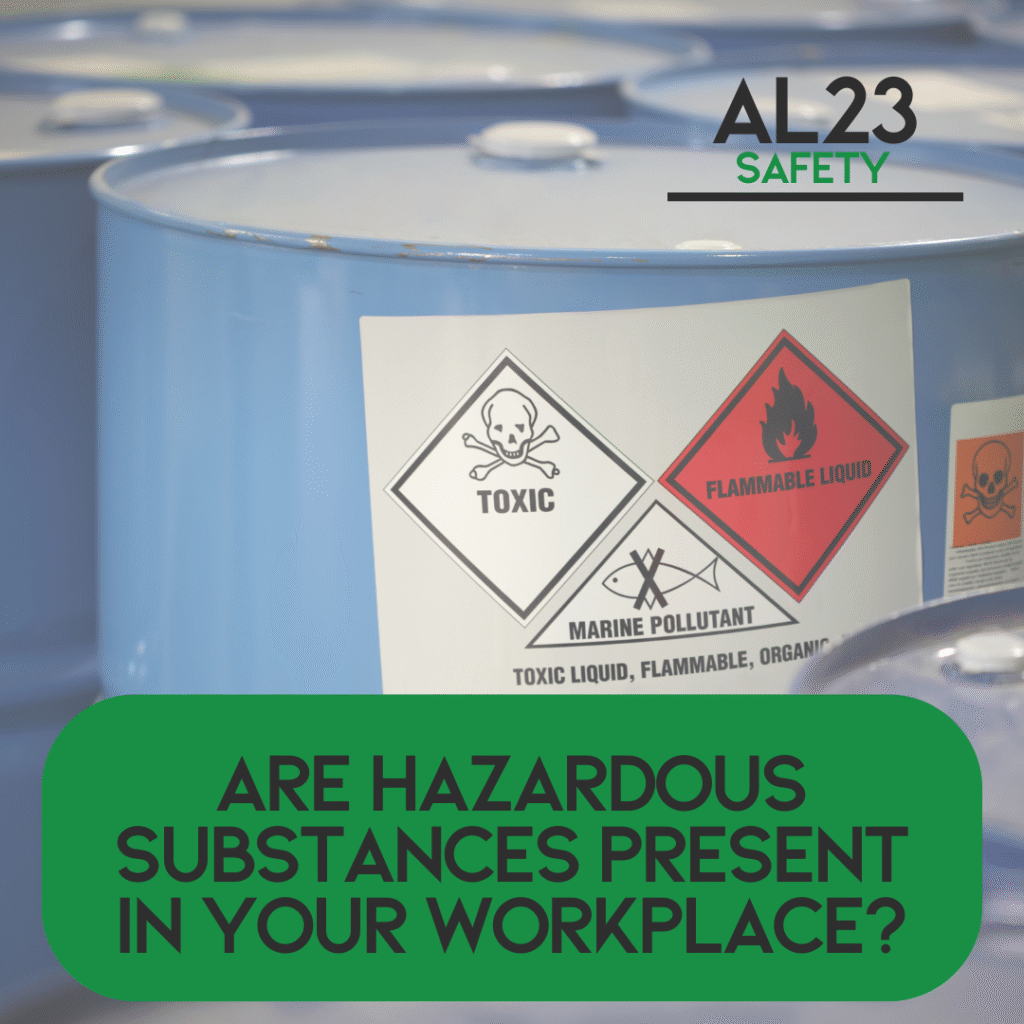
Understanding DSEAR Risk Assessments: Ensuring Safety and Compliance in the Workplace The Dangerous Substances and Explosive Atmospheres Regulations (DSEAR) are crucial for any workplace where dangerous substances are present. Effective risk assessments under DSEAR are not just a legal necessity; they are essential for protecting your workforce and assets. What is DSEAR? DSEAR requires employers to assess the risks associated with dangerous substances that could create explosive atmospheres. This includes identifying the substances, evaluating potential ignition sources, and implementing necessary control measures. The Importance of DSEAR Risk Assessments Risk assessments serve as the foundation for safety protocols in any business handling hazardous materials. By assessing risks, employers not only ensure compliance with DSEAR but also foster a safer working environment, minimising the potential for severe incidents. Our DSEAR Risk Assessment Process At AL23 Safety, we conduct meticulous DSEAR risk assessments. Our process includes: 1. Identifying Dangerous Substances: Recognising the hazardous materials present is the first step. This includes flammable liquids, gases, and dust. 2. Evaluating Risks: Our team evaluates how these substances could potentially ignite and the resulting hazards posed to employees, the environment, and the business. 3. Implementing Controls: We advise on preventative measures and control systems tailored to your business needs, ensuring that your workplace not only meets but exceeds legal requirements. 4. Continuous Review: DSEAR assessments are not a one-time task. We recommend regular reviews as work processes or personnel change, to continually protect your workplace. Conclusion Partnering with AL23 Safety for your DSEAR risk assessment means choosing a proactive approach to health and safety. Our experienced team is dedicated to developing tailored safety solutions that are compliant, comprehensive, and practical. If you're involved in managing a workplace with dangerous substances, let us help you navigate DSEAR with confidence. Together, we’ll create a safer environment for your employees.

DSEAR risk assessments are critical for ensuring workplace safety and compliance in environments where dangerous substances are present. The Dangerous Substances and Explosive Atmospheres Regulations (DSEAR) are designed to protect employees, assets, and the environment from the risks posed by hazardous materials. At AL23 Safety, we specialise in conducting thorough DSEAR risk assessments to help […]

5 Vital Reasons Fire Risk Assessments Safeguard Your Business
Understanding Fire Risk Assessments: Essential for Workplace Safety Fire risk assessments are a cornerstone of fire safety management for businesses across the UK. It is not just about meeting legal obligations; comprehensive assessments protect lives, property, and reputation. There is an ever-increasing awareness of the importance of proactive fire safety measures, and businesses must prioritise compliance to safeguard their employees and assets. What is a Fire Risk Assessment? A fire risk assessment is a systematic evaluation of a premises to identify potential fire hazards, assess the risks associated with those hazards, and determine the necessary measures to reduce or eliminate those risks. According to the Regulatory Reform (Fire Safety) Order 2005, all employers must carry out risk assessments to ensure the safety of their staff and visitors. The process typically includes: 1. **Identifying Fire Hazards**: This involves assessing materials used in the building, evaluating electrical installations, and considering processes that may result in fire. 2. **Assessing Risks**: Evaluating who may be harmed, how, and the potential impact of a fire incident. 3. **Finding Solutions**: After identifying risks, the next step is to devise strategies to mitigate those risks, which may include: - Implementing fire detection systems - Establishing fire prevention measures - Training staff in fire safety protocols - Developing an emergency evacuation plan 4. **Recording Findings and Reviewing**: Documenting the results of the fire risk assessment and ensuring that they are reviewed regularly, or when there are significant changes in the workplace. Why Choose AL23 Safety for Your Fire Risk Assessments? With AL23 Safety, you gain access to expert consultants who have extensive industry knowledge and hands-on experience. Our approach is tailored to meet the unique needs of each business. We do not offer one-size-fits-all assessments; instead, we engage with your team to understand your specific challenges, building on best practices and UK legislation. Real World Impact Consider a manufacturing facility that approached us due to concerns over potential fire hazards. Through our detailed fire risk assessment, we identified that the existing fire exits were insufficient due to changes in operations that had occurred since their last assessment. Consequently, we recommended strategic modifications to improve access and updated fire safety training for employees. After implementing our recommendations, the facility greatly enhanced its safety profile, achieved compliance, and increased employee confidence regarding fire safety measures. Conclusion Your business cannot afford to overlook comprehensive fire risk assessments. With AL23 Safety, you remain compliant, protected, and prepared. We stand ready to guide you in creating effective fire safety solutions tailored to your needs. Don't wait until an incident occurs – make fire safety a priority today. For expert advice and tailored fire risk assessments, visit our services.

Fire Risk Assessments are a cornerstone of workplace safety, ensuring businesses across the UK protect lives, property, and their reputation. Far beyond meeting legal requirements, these assessments are proactive measures that prevent devastating fire incidents. With the Regulatory Reform (Fire Safety) Order 2005 mandating comprehensive fire safety evaluations, businesses must prioritise Fire Risk Assessments to […]

5 Powerful Reasons a Health and Safety Audit Boosts Your Business Success
Understanding the Importance of a Comprehensive Health and Safety Audit In today’s increasingly regulated landscape, businesses need to prioritise health and safety compliance as a fundamental aspect of their operations. Health and Safety Audits are critical tools for assessing the effectiveness of existing safety measures and identifying areas for improvement. In this post, we'll cover everything you need to know about implementing a Health and Safety Audit, including its legal implications, its role in fostering a safer workplace, and key steps to conducting a successful audit. What is a Health and Safety Audit? A Health and Safety Audit is an examination of an organisation’s policies, procedures, and practices related to health and safety management. The purpose of an audit is to ensure that a business is abiding by the Health and Safety at Work Act 1974 and other relevant legislation. Regular audits are essential for identifying risks, closing gaps in safety protocols, and enhancing overall compliance. Legal Obligations of Employers Under UK law, employers have a duty to ensure, as far as is reasonably practicable, the health, safety, and welfare of their employees. This includes conducting regular risk assessments, implementing safety measures, and keeping accurate records. Failure to comply can lead to serious consequences, including fines and legal actions. Key Components of Health and Safety Audits 1. **Document Review**: An analysis of the existing health and safety policies and procedures. 2. **Risk Assessment**: Identifying potential hazards and assessing risks associated with specific operations or environments. 3. **Physical Inspection**: Evaluating the workplace for compliance, safety equipment, emergency exits, and more. 4. **Interviews and Surveys**: Engaging with employees to understand their concerns and gather insights on safety practices. 5. **Reporting and Recommendations**: Providing a detailed report outlining findings, risks identified, and actionable solutions to improve health and safety standards. The Benefits of Regular Audits Conducting regular Health and Safety Audits yields numerous benefits for businesses, including: - **Better Compliance**: Staying ahead of legal obligations mitigates the risk of fines and legal challenges. - **Enhanced Safety Culture**: Regular audits promote a culture of safety, encouraging employees to take ownership of their well-being. - **Increased Productivity**: A safer workplace often leads to reduced accidents, lower absenteeism, and increased morale. Conclusion A Health and Safety Audit is not just a regulatory requirement but a gateway to promoting a safer, healthier, and more productive workplace. Partnering with specialists like AL23 Safety ensures that your audit is thorough and effective, offering valuable insights tailored to your business. Don't wait for an incident to happen—take proactive steps towards safety by incorporating regular audits into your operations. Reach out today to discover the range of services designed to help your business achieve its health and safety goals.

A Health and Safety Audit is more than a regulatory requirement; it’s a strategic tool that protects your employees, ensures compliance, and drives business success. In the UK’s highly regulated business environment, prioritising workplace safety is both a legal obligation and a competitive advantage. The Health and Safety at Work etc. Act 1974 mandates employers […]

5 Urgent Lessons from a £100k Fine: Mastering Workplace Safety Equipment
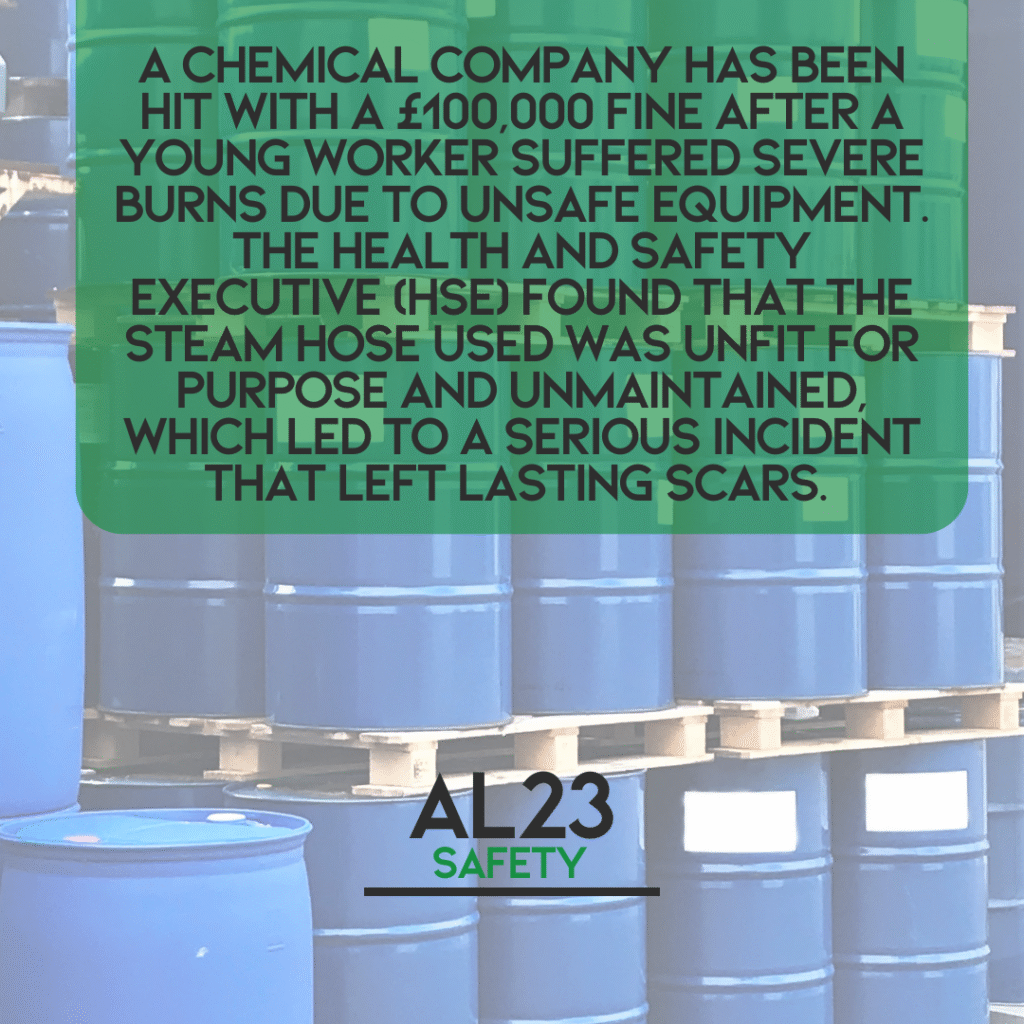
**Title: The Impact of Unsafe Equipment in the Workplace: A Cautionary Tale** In today’s fast-paced industries, maintaining a safe working environment is of utmost importance. Recent events have emphasized this, particularly concerning a chemical company that faced a significant fine due to failing health and safety standards. A worker sustained severe burns from an unsafe steam hose, leading to permanent injuries. The Health and Safety Executive (HSE) investigation revealed alarming operational failures that not only placed employees at risk but also ended in severe ramifications for the company. This blog will explore the importance of recognising the risks associated with workplace equipment and the necessity of implementing robust safety measures. We’ll discuss: - An overview of the recent incident and its consequences - The significance of adhering to health and safety regulations in the workplace - Insights into creating a culture of safety within your organisation - Practical steps for assessing and maintaining workplace equipment to prevent accidents - The role of training and supervision in maintaining workplace safety With a focus on educating businesses on the importance of health and safety compliance, we can avoid similar tragedies in the future. Read on to understand how to better protect your employees and ensure the longevity of your operation through proper safety measures.

Workplace safety equipment is the frontline defence in protecting employees from harm, yet neglecting it can lead to devastating consequences. In a shocking incident at a Motherwell rendering plant, a 23-year-old worker suffered permanent scarring from severe steam burns caused by a faulty steam hose, resulting in a £100,000 fine for Dundas Chemical Company (Mosspark) […]

Workplace Safety: The Cornerstone of a Responsible Business
5 Critical Lessons in Workplace Safety: Mastering Risk Assessments

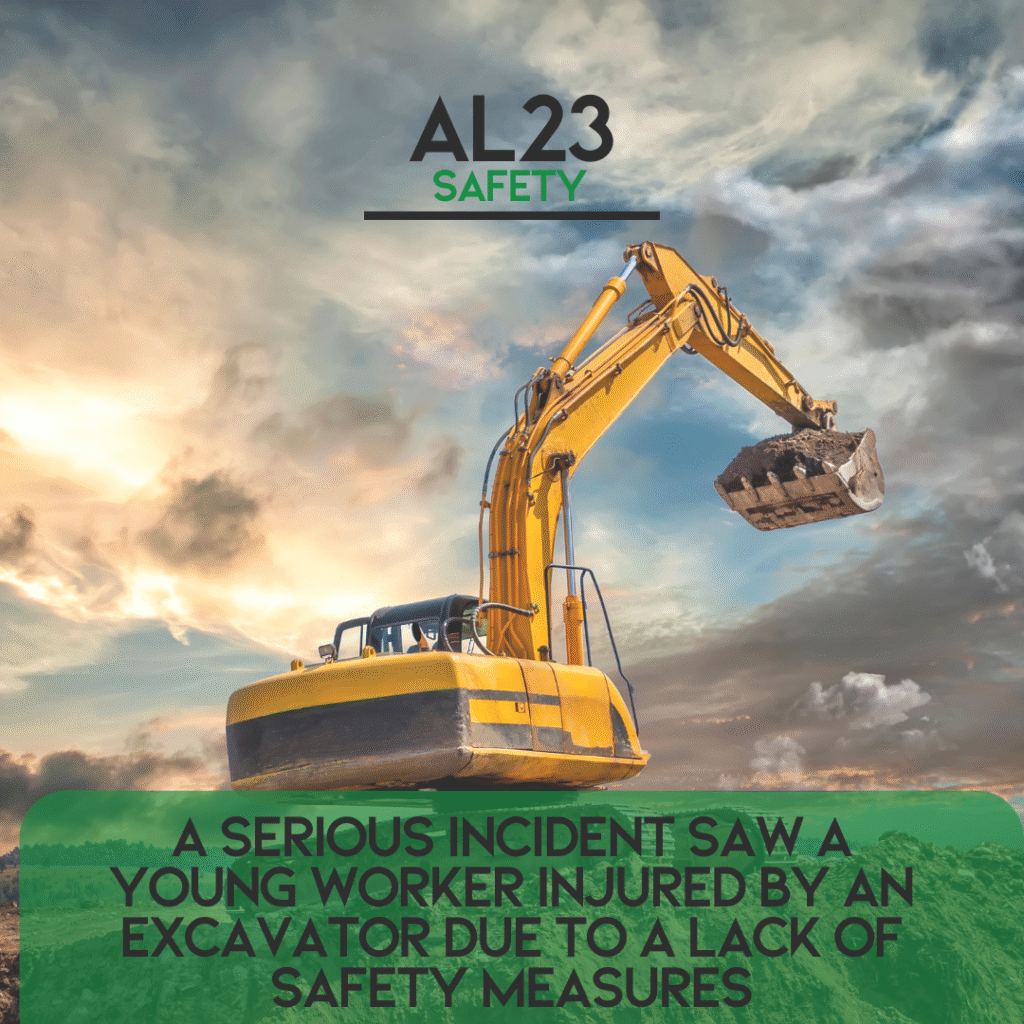
Workplace safety is not just a legal requirement; it’s a fundamental responsibility that protects employees, enhances productivity, and safeguards businesses from costly incidents. A recent case involving a County Durham waste management company, Farm XS (Northern) Limited, serves as a stark reminder of what happens when workplace safety is overlooked. A young worker, just two […]

5 Devastating Lessons: Why Care Home Safety Compliance Saves Lives
Tragic incidents in care environments serve as stark reminders of the critical importance of effective health and safety measures. The recent case involving the death of a 69-year-old man at St Brendan's Care Home due to safety failures is a devastating example of how lapses in oversight can lead to irreversible consequences. With an £80,000 fine imposed on Western Isles Council following their breach of health and safety regulations, it is imperative for all care facilities to reflect on their protocols. Health and safety obligations in the UK dictate that establishments responsible for the well-being of individuals, especially those who are vulnerable, must undertake comprehensive risk assessments. These assessments not only analyse potential hazards but also establish a framework for ongoing vigilance, which is essential for maintaining a safe environment. The fact that the deceased individual had previously expressed tendencies to leave the premises without detection underscores the need for tailored monitoring strategies. Establishments must adopt proactive measures such as electronic tagging and alarm systems that prevent unauthorised exits—an area highlighted by the Health and Safety Executive (HSE) investigation that followed this tragic incident. Moreover, continuous training of staff on the importance of vigilance and adhering to safety protocols cannot be overstated. In this case, although measures to install electronic tags were in place, their ineffective implementation due to the resident removing them displays a gap in monitoring and training that must be urgently addressed. This tragedy exemplifies that enhancements to safety measures must be continual and not just reactive. Changes after such events should aim to implement half-hourly checks and greater staff presence in critical areas. Institutions must comprehend the unique risks posed by their residents and adapt their protocols accordingly. The delay in executing planned improvements to safety systems, such as keypad entry systems on doors, only further highlights the need for timely actions based on risk assessments. As trusted consultants, AL23 Safety advocates for a culture of safety where all employees are engaged in maintaining health and safety standards. Our approach includes comprehensive training, site assessments, and the development of tailored action plans to mitigate risks effectively. We understand the pressures faced by care providers and know how to navigate these complexities to enhance compliance and safety outcomes. In conclusion, while this incident is heartbreaking, it serves as a potent reminder that diligence in health and safety protocols is not just regulatory compliance—it's a moral imperative to protect life and well-being. Engaging with experts who can provide tailored solutions is key to creating safer, compliant environments.

Care home safety compliance is the bedrock of protecting vulnerable residents, yet its neglect can unleash unimaginable tragedy. The heartbreaking death of 69-year-old Allan MacLeod at St Brendan’s Care Home in Castlebay, Isle of Barra, exemplifies this peril. On 9 March 2024, Mr MacLeod, who had dementia, slipped out undetected through an unalarmed door, wandered […]

5 Vital Lessons: Why Fire Safety Measures Prevent Devastating Workplace Blazes
Fire Safety: Learning from the West Bromwich Industrial Fire The recent industrial fire in West Bromwich, which resulted in significant property damage and health concerns, is a stark reminder of the importance of robust fire safety measures in workplaces. The incident, which spread rapidly due to the absence of sprinkler systems, raises essential questions about fire safety protocols across industrial estates and commercial spaces. Understanding Fire Risks Fires can escalate quickly, especially in environments with high-risk materials such as chemicals and flammable items. The West Bromwich fire involved around 20 tonnes of tyres, illustrating how specific materials can contribute to the speed and intensity of a blaze. Impact on Businesses The consequences of such fires extend beyond property loss; they can disrupt operations, resulting in lost revenue and delayed deliveries. Businesses must be proactive in their approach to fire safety to mitigate these risks. The Case for Sprinklers One of the issues brought to light by the West Bromwich incident is the lack of automatic sprinkler systems, which are known to significantly reduce the severity of fires. Studies show that sprinklers can contain or extinguish fires before they cause extensive damage, thereby protecting lives and property. AL23 Safety's Commitment At AL23 Safety, we take fire safety seriously. We provide comprehensive fire risk assessments that identify potential hazards in your workplace and develop tailored fire strategies that suit your specific needs. Our expert guidance helps businesses stay compliant with UK legislation and industry best practices. Preparedness and Training In addition to risk assessments, we offer training for staff to ensure everyone understands their roles in maintaining safety and responding to emergencies. An informed workforce is key to achieving a culture of safety. Conclusion The West Bromwich fire may have faded, but its lessons linger. It's crucial for businesses across all sectors to prioritise fire safety measures, including the installation of sprinkler systems where necessary. Don't wait for disaster; reach out to AL23 Safety today to discuss how we can help protect your business and ensure compliance with safety regulations.

Fire safety measures are the frontline defence against catastrophic incidents in industrial and commercial settings, yet their absence can turn a minor spark into a raging inferno. The recent West Bromwich industrial fire at GB Tyres & Tracking on Great Bridge Street serves as a chilling cautionary tale. On 27 July 2025, what began as […]

The Importance of Asbestos Compliance: Lessons from a Manchester Construction Case
5 Vital Lessons: Why Asbestos Compliance Saves Lives and Avoids Fines

Asbestos compliance is non-negotiable in the UK construction and maintenance sectors, where a single oversight can lead to irreversible health risks and severe legal consequences. The recent case involving A1 Property Maintenance Management Limited at the former Unicorn Public House in Eccles, Greater Manchester, underscores this harsh reality. During renovation work, workers were exposed to […]