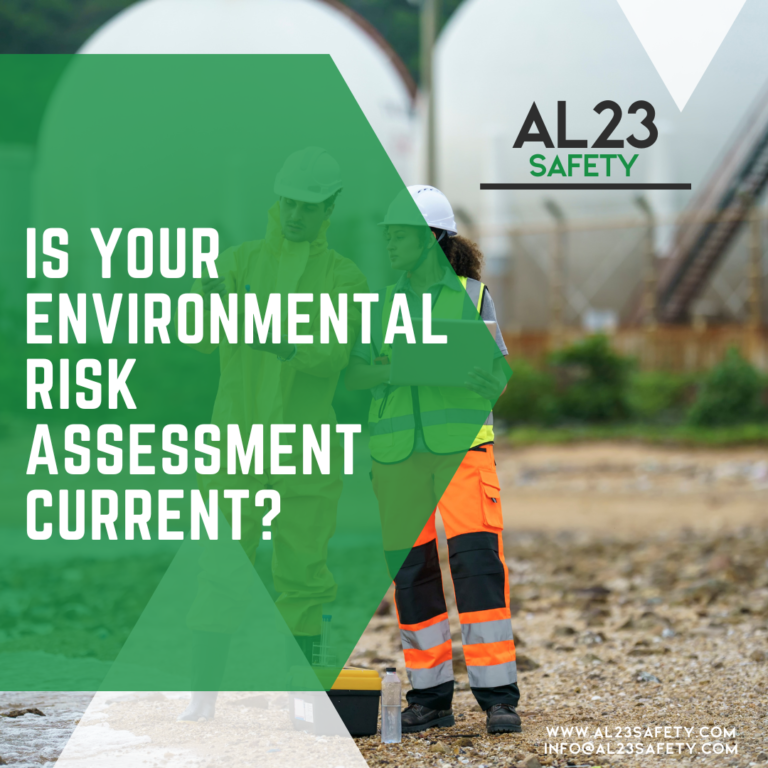
Environmental Risk Assessments are a cornerstone of responsible business operations in the UK, helping companies identify, evaluate and control potential threats to the environment from their activities.
In an era of tightening regulations and heightened environmental awareness, conducting thorough environmental risk assessments is no longer optional for many businesses it’s a vital step towards legal compliance, operational resilience and sustainable success.
What is an Environmental Risk Assessment?
An environmental risk assessment is a structured process that identifies and evaluates the potential environmental hazards linked to business operations. This includes examining aspects such as hazardous waste management, air and water emissions, resource consumption, pollution risks and broader ecological impacts.
By systematically analysing these factors, businesses can pinpoint vulnerabilities, assess the likelihood and severity of harm and implement effective controls to prevent or minimise negative outcomes. The process typically follows established frameworks, such as those recommended by the Environment Agency, ensuring a proactive approach rather than reactive fixes.
For businesses applying for or varying bespoke environmental permits, a detailed environmental risk assessment is often mandatory, unless the Environment Agency undertakes it on their behalf. Even for standard rules permits, understanding generic risks remains crucial for ongoing compliance.
The Legal Requirement for Environmental Risk Assessments in the UK
UK legislation places significant emphasis on managing environmental impacts. Under frameworks like the Environmental Protection Act 1990 and regulations overseen by the Environment Agency, businesses must identify and mitigate risks to air, water, land and biodiversity.
Certain activities particularly those involving waste, emissions or potentially polluting processes, require formal environmental risk assessments as part of permit applications or management systems. For instance, bespoke permits demand comprehensive risk evaluations to demonstrate that operations won’t cause unacceptable harm.
Failure to comply can result in enforcement actions, fines or operational restrictions. With evolving priorities, including updates to permitting, waste tracking and emerging concerns like PFAS contamination, staying ahead through robust assessments is essential for avoiding penalties and maintaining good standing with regulators.
Why Regular Updates to Environmental Risk Assessments Are Necessary
The environmental risk landscape is dynamic. Technological advancements, operational changes, new legislation and external factors like climate impacts can quickly render an outdated assessment ineffective.
A review conducted a few years ago may overlook emerging risks, such as stricter emissions standards or novel contaminants. Regular updates, ideally annually or following significant changes ensure your environmental risk assessments remain relevant and effective.
This ongoing process captures evolving threats, incorporates lessons from incidents or audits and aligns with current best practices. It also supports continuous improvement in environmental performance, reducing the chance of non-compliance and demonstrating due diligence to stakeholders.
Regular environmental risk assessments foster a culture of responsibility, helping businesses adapt swiftly to regulatory shifts and protect long-term viability.
Key Benefits of Conducting Environmental Risk Assessments
Beyond compliance, environmental risk assessments deliver tangible advantages:
- Risk Mitigation – Early identification allows targeted controls, preventing incidents like spills or emissions breaches that could harm ecosystems or communities.
- Cost Savings – Proactive measures often prove cheaper than remediation, fines or business interruptions.
- Reputation Enhancement – Demonstrating environmental stewardship builds trust with customers, investors and partners in an increasingly sustainability-focused market.
- Operational Efficiency – Assessments highlight opportunities to reduce waste, optimise resource use and innovate greener processes.
With greater scrutiny on sustainability reporting and green claims, well-documented environmental risk assessments strengthen your position and support broader ESG goals.
How AL23 Safety Can Help with Environmental Risk Assessments
At AL23 Safety, we specialise in delivering expert environmental risk assessments tailored to your business. Our experienced team collaborates closely to understand your operations, identify specific hazards and develop practical mitigation strategies that ensure full compliance with UK regulations.
We stay abreast of the latest Environment Agency guidance and legislative developments, providing assessments that are thorough, defensible and actionable. With 24/7 support, we’re always available to answer queries, review updates or assist during audits.
Whether you’re applying for a new permit, updating existing documentation or seeking to embed stronger environmental controls, AL23 Safety partners with you to minimise risks and enhance sustainability.
Conclusion
Prioritising environmental risk assessments safeguards your business, employees and the planet against avoidable harm. In today’s complex regulatory environment, regular, professional assessments are indispensable for compliance and competitive advantage.
Don’t leave your environmental responsibilities to chance. Contact AL23 Safety today to discuss how our expertise in environmental risk assessments can fortify your operations and secure a sustainable future.