Falls from height safety protocols are no longer optional, they are a legal and moral necessity for every UK business operating in construction, maintenance, warehousing, or any sector involving elevated work. Tragically, falls from height remain the leading cause of workplace fatalities in Britain, with the Health and Safety Executive (HSE) reporting dozens of deaths and hundreds of life-changing injuries every year. Implementing robust falls from height safety protocols can prevent these heartbreaking incidents and protect both workers and employers from devastating consequences.
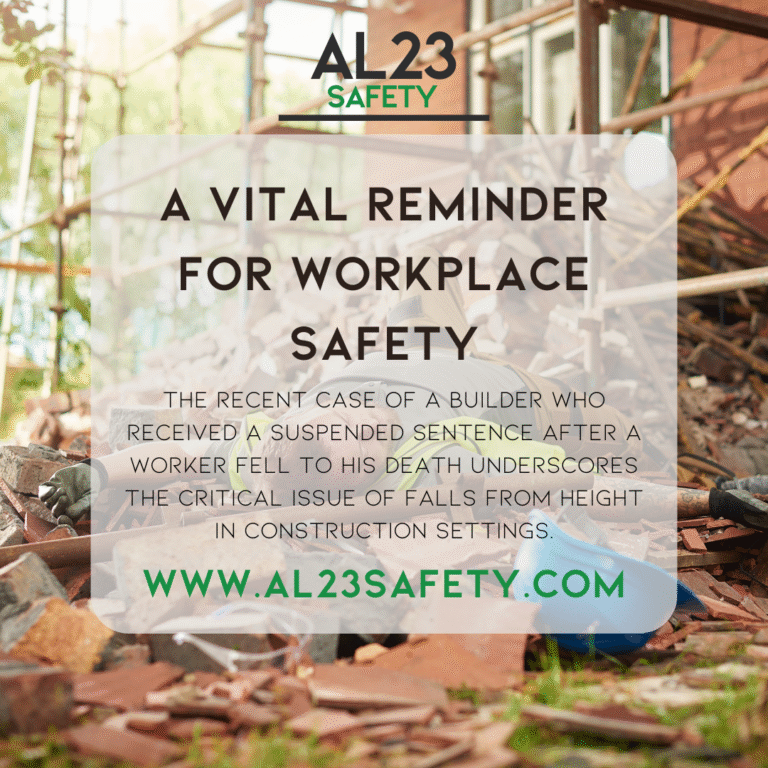
A recent high-profile case in Reading saw a builder sentenced after a worker plunged to his death due to inadequate safeguards. This sobering incident underscores exactly why falls from height safety protocols must be prioritised without exception.
Why Falls from Height Remain the Biggest Killer on UK Sites
Despite advances in equipment and legislation, working at height continues to pose extreme risk. The HSE’s latest statistics reveal that over 25% of all fatal injuries to workers stem from falls, far more than any other cause.
Common causes include:
- Missing or incorrectly installed edge protection
- Over-reaching from ladders
- Fragile roof surfaces giving way
- Improper use of mobile elevated work platforms (MEWPs)
Without comprehensive falls from height safety protocols in place, even experienced workers remain vulnerable.
The Legal Backbone: Work at Height Regulations 2005
Every employer must comply with the Work at Height Regulations 2005. These regulations make it crystal clear: work at height must be properly planned, supervised, and carried out by competent people. Ignoring these rules can lead to unlimited fines and imprisonment, as recent prosecutions have proven.
Key legal duties include:
- Avoiding work at height where possible
- Using work equipment or other measures to prevent falls where avoidance isn’t feasible
- Minimising the distance and consequences of a potential fall where the risk cannot be eliminated
Robust falls from height safety protocols demonstrate due diligence and provide vital evidence of compliance if the worst happens.
7 Essential Falls from Height Safety Protocols Every Business Needs
- Comprehensive Risk Assessments Never assume yesterday’s assessment still applies. Carry out site-specific, task-specific risk assessments before any work at height begins.
- Hierarchy of Control Implementation Always follow the hierarchy: avoid → prevent → minimise. Collective protection (guardrails, scaffolding) beats personal protection (harnesses) every time.
- Competent Person Oversight Only trained, experienced workers should plan and supervise height work. Regular competence checks are non-negotiable.
- Correct Equipment Selection & Inspection From tower scaffolds to safety harnesses, all equipment must be suitable, inspected before use, and formally checked at least every seven days (or per manufacturer guidelines).
- Emergency Rescue Plans A prevention-focused mindset is essential, but you must also have a tested rescue plan in place. Suspension intolerance can kill in minutes.
- Ongoing Training & Toolbox Talks One-off training isn’t enough. Regular refreshers and site-specific toolbox talks keep falls from height safety protocols front of mind.
- Fragile Surface Identification & Protection Clearly mark all fragile roofs and surfaces. Use crawl boards, netting, or platforms, never rely on visual judgement alone.
How AL23 Safety Helps You Stay Ahead of Height Risks
At AL23 Safety, we specialise in practical, jargon-free height safety compliance. Our IOSH- and NEBOSH-qualified consultants work across the UK, delivering:
- Bespoke working at height risk assessments
- PASMA- and IPAF-accredited training courses
- Rescue plan development and live rehearsal sessions
- Full audit trails for HSE inspections
- Ongoing support packages to maintain compliance year-round
We’ve helped hundreds of contractors, facilities managers, and principal contractors transform their falls from height safety protocols, reducing incidents and giving leadership complete peace of mind.
Take Action Today – Before the Next Headline Features Your Company
One fall is one too many. Don’t wait for an accident or an HSE enforcement notice to force change.
Contact AL23 Safety today for a no-obligation review of your current falls from height safety protocols. Together, we can ensure your team goes home safe every single day.
Call 0161 399 2523 or email info@al23safety.com to book your free height-safety gap analysis.
Because when it comes to working at height, being proactive isn’t just smart, it’s the difference between life and death.