5 Critical Lessons: Why Waste Management Compliance Prevents Disastrous Fires
**The Importance of Compliance in Waste Management: Lessons from a Major Fire Incident** In a stark reminder of what happens when regulatory compliance is ignored, the case of former waste director Oliver Kirkbride has sent shockwaves through the industry. Following a massive fire in Lancaster caused by illegally stored waste, he was sentenced for multiple offences related to environmental safety. The fire, which resulted from the accumulation of thousands of tonnes of combustible waste, not only inflicted significant cleanup costs exceeding £2 million but also disrupted the local community and environment for weeks on end. This incident serves as a compelling case study on the critical importance of adhering to environmental regulations and maintaining safe waste management practices. **The Legal Framework** Under UK law, waste management is strictly regulated to minimise environmental impact and protect public health. The Environmental Permitting (England and Wales) Regulations 2016 outline specific requirements regarding waste storage, including limits on the quantity and type of waste that can be stored at a site. Kirkbride's blatant disregard for these regulations and enforcement notices has put the spotlight on the need for businesses to understand their legal obligations thoroughly. Ignoring environmental permits not only invites legal repercussions but can also lead to catastrophic events that have far-reaching consequences. **Lessons Learned** 1. **Understanding Environmental Permits:** Businesses must be well-informed about their environmental permits. This includes adhering to specified limits on waste storage and ensuring that operations remain within the law. 2. **Proactive Risk Management:** Regular audits and compliance checks can help identify potential risks before they escalate into serious issues. 3. **Training and Awareness:** Ensuring that employees are trained and aware of laws surrounding waste management can significantly reduce risks. Regular training sessions should be conducted to keep staff informed of their responsibilities. 4. **Engaging with Consultants:** Partnering with expert safety consultants, like AL23 Safety, ensures that your operations are compliant and reduce the likelihood of incidents. Our team offers tailored safety solutions, ongoing support, and knowledge that can make all the difference. In conclusion, businesses across the UK must learn from the recent incident involving Oliver Kirkbride. By ensuring compliance with environmental regulations and adopting a proactive approach to risk management, organisations can protect their assets, maintain community trust, and safeguard the environment. At AL23 Safety, we’re dedicated to helping businesses navigate the complex world of health and fire safety compliance. For expert assistance with your fire safety needs, visit our services.

Waste management compliance is the cornerstone of safe and sustainable operations in the UK waste industry, yet its importance is often overlooked until disaster strikes. The recent sentencing of former waste director Oliver Kirkbride for illegal waste storage at a Lancaster site serves as a harrowing example of the consequences of non-compliance. In December 2023, […]

5 Essential BBQ Safety Tips for a Safe and Delicious Summer
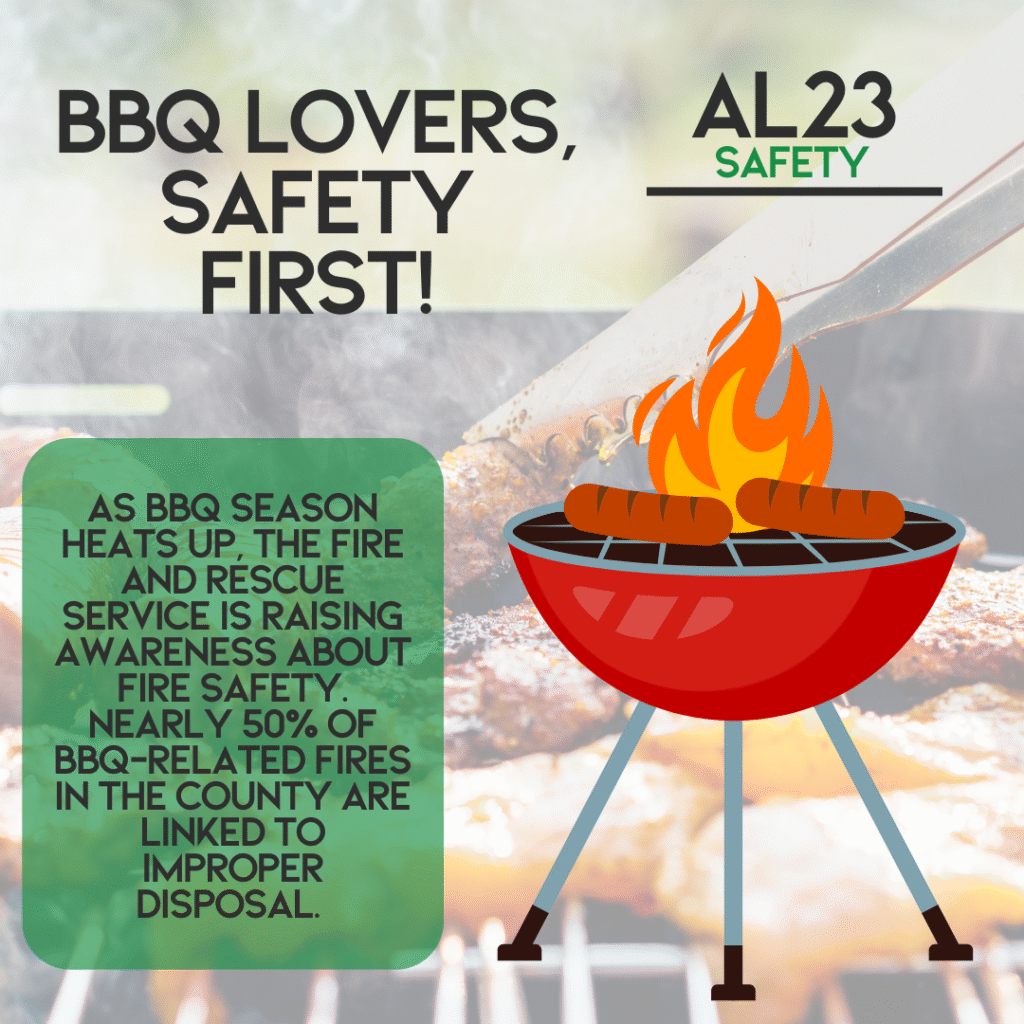
The joys of summer BBQs are familiar to many, but have you considered the importance of BBQ safety? As the sun shines brighter and our outdoor gatherings become more frequent, the risks associated with BBQ usage also increase. According to the Warwickshire Fire and Rescue Service, almost half of all BBQ-related fires in the county stem from unsafe disposal practices. Understanding the fire risks posed by BBQs is crucial. With the upward trend in summer temperatures, we also see an increase in wildfires, threatening local communities and ecosystems. Implementing proper BBQ practices not only protects our outdoor festivities but also safeguards our surroundings. In this blog post, we'll delve into essential BBQ safety tips, along with insights on best practices to keep your grilling experiences enjoyable and safe. We'll discuss the importance of supervision, appropriate placement of your BBQ, and safe disposal methods for ashes once the grilling session is over. First, it’s important to understand the specific factors that contribute to BBQ-related incidents. Instruction from safety authorities shows that negligence often leads to fires stemming from BBQ usage positioned too close to flammable objects or improper ash disposal. Therefore, it’s imperative to establish safe zones for BBQ usage and to adhere to disposal guidelines. Essential Tips for Safe BBQ Usage: 1. **Location Matters**: Always position your BBQ away from structures like fences, trees, and even your home to mitigate any fire risk. 2. **Supervise Cooking**: Never leave your BBQ unattended while it’s in use. Always have a responsible adult monitoring the grill to ensure safety. 3. **Outdoor Only**: BBQs should always be used outdoors—never inside your home or in a garage. 4. **Prepare for Emergencies**: Keep a bucket of water or a garden hose nearby when grilling. Being prepared can make all the difference. 5. **Dispose Responsibly**: Allow BBQ ashes and coals to cool completely before disposal, ideally in a metal container, and never place them in plastic bins to prevent melting and fire hazards. By following these guidelines, you can enjoy a delicious summer BBQ while prioritizing safety for yourself and your community. The thrill of grilling should never come at the expense of safety, and with a few precautionary measures in place, you can have peace of mind. In summary, as we embrace the summer BBQ culture, let's take a moment to reflect on how important it is to balance enjoyment with responsible practices. With the right safety measures in place, every BBQ can be a memorable and safe occasion. For additional safety resources or assistance in developing a tailored safety plan for your outdoor events, don't hesitate to reach out for expert guidance and support.

BBQ safety tips are essential for ensuring your summer gatherings are both enjoyable and secure. As the sun shines brighter and outdoor grilling becomes a staple of UK summers, the risks associated with BBQs increase. According to the Warwickshire Fire and Rescue Service, nearly half of BBQ-related fires in the county result from unsafe disposal […]

Fire Door Surveys Essential: 5 Critical Steps to Ensure Safety and Compliance
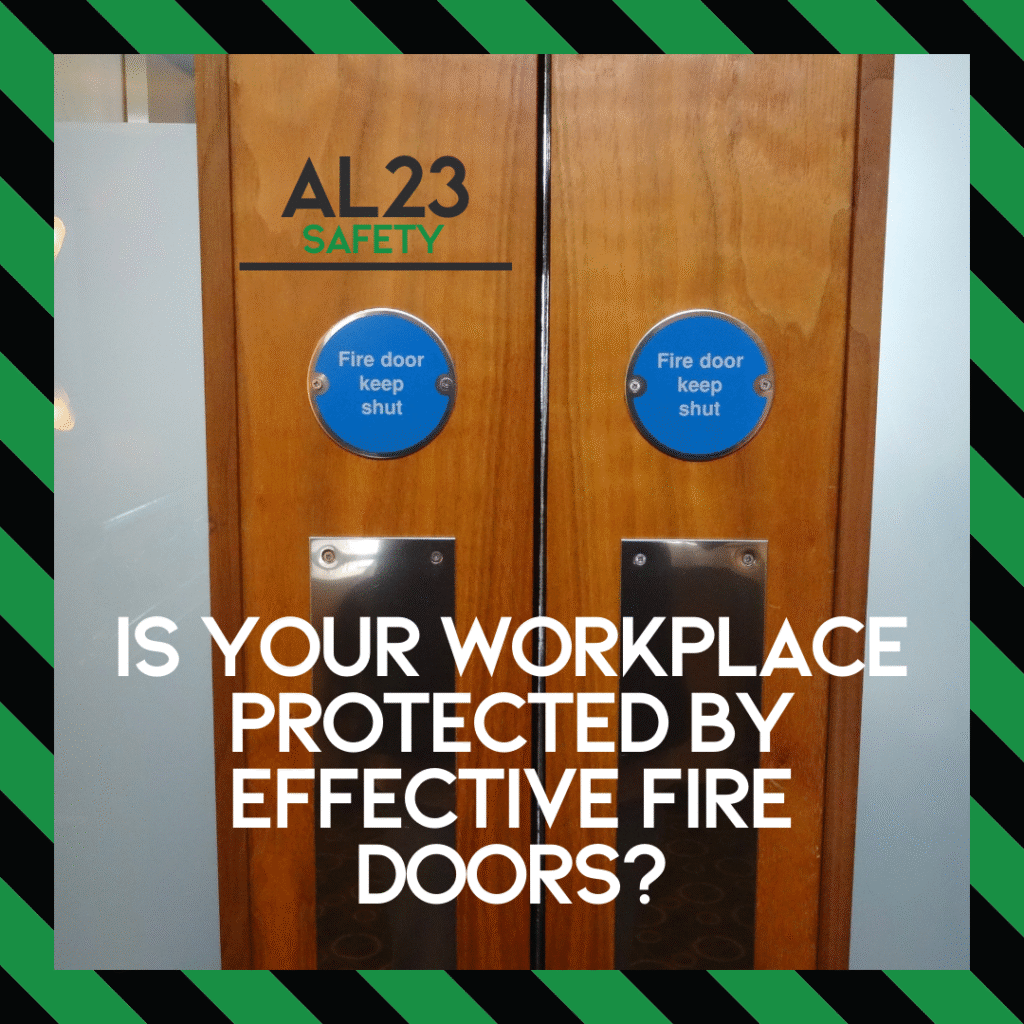
The Importance of Fire Door Surveys for Your Business: A Comprehensive Guide Fire safety is not just a legal obligation; it is a moral responsibility that every employer must uphold. Within this framework, fire doors are one of the most crucial components designed to protect lives and property during a fire. A fire door acts as a barrier, slowing down the spread of smoke and flames, allowing occupants to escape. However, merely having fire doors in place is not sufficient. It is imperative to ensure that they are in good condition and compliant with UK legislation to fulfil their protective role effectively. This is where fire door surveys come into play. Understanding Fire Door Regulations For businesses in the UK, fire safety is governed by the Regulatory Reform (Fire Safety) Order 2005. This law places the onus on employers to assess risks and implement measures to safeguard against potential hazards. Among these measures, fire doors must meet specific standards and regulations to be considered effective. Regular fire door surveys help ensure compliance with these regulations, preventing costly penalties and, more importantly, protecting lives. What to Expect During a Fire Door Survey When you engage AL23 Safety for a fire door survey, our experienced consultants will conduct a thorough inspection of all fire doors within your premises. This includes: - Checking for fire resistance ratings - Assessing door closers and mechanisms - Inspecting the frame, seals, and hinges for faults - Ensuring compliance with relevant British Standards Identifying Issues and Proactive Solutions During the survey, any identified shortcomings will be documented in a detailed report, allowing business owners to address issues promptly. Whether it’s replacing a door that fails to close properly or ensuring seals are intact, our tailored recommendations will help you comply with legal requirements and maintain a safe environment. Real-World Applications In a recent case, one of our clients, a mid-sized office building, was unaware of the critical issues with its fire doors until we conducted a survey. Our assessment revealed several doors that did not meet safety codes, including gaps that would allow smoke to seep through during a fire. Following our recommendations, they replaced or repaired their fire doors, significantly enhancing their fire safety measures and ensuring they complied with legal requirements. Conclusion Investing in regular fire door surveys is not just about compliance; it’s about creating a culture of safety that prioritises the well-being of employees and visitors. Partnering with AL23 Safety ensures you have a dependable team by your side, providing tailored solutions and ongoing support. To learn more about how we can assist your business, visit our services today.

Fire door surveys are a cornerstone of workplace safety, ensuring that fire doors function as critical barriers to slow the spread of smoke and flames, protecting lives and property in UK businesses. Mandated by the Regulatory Reform (Fire Safety) Order 2005, regular fire door surveys are a legal requirement to verify compliance with British Standards […]

Pregnancy Risk Assessments Vital: 5 Essential Steps to Boost Employee Wellbeing
Pregnancy Risk Assessments: Why Compliance Matters Now More Than Ever The role of health and safety in workplaces cannot be overstated, particularly when it comes to accommodating vulnerable employees such as pregnant individuals and new parents. This article aims to highlight why pregnancy risk assessments are not just a compliance requirement but a crucial aspect of employee wellbeing and retention. Recent statistics show that nearly half of expectant parents feel unsupported upon their return to work, raising alarming questions about how effectively businesses implement pregnancy-related risk assessments. The UK Health and Safety Executive provides explicit guidelines regarding the need for these assessments, yet compliance often falls short, with many employers treating the occurrence as a checkbox exercise rather than an opportunity for engagement and genuine concern. An effective pregnancy risk assessment process begins with open communication between employers and employees. Pregnant employees should feel empowered to share their specific needs and the challenges they may encounter in the workplace. To achieve this, employers must cultivate an atmosphere of understanding and support, actively involving employees in risk discussions. The consequences of inaction can be dire, with reports indicating that nearly half of pregnant individuals planning to leave their jobs within a year of returning. This statistic illustrates a broken trust between employers and their staff, often rooted in poorly managed risk assessments that fail to consider individual circumstances. When conducting pregnancy risk assessments, employers should focus on identifying potential hazards associated with physical demands, exposure to harmful substances, ergonomic issues, and socio-environmental factors affecting work-life balance. Health and safety professionals must scrutinise these risks constantly and regularly review and update risk assessments as employees' conditions change. The relationship between health and safety and productivity is undeniable; by failing to uphold safety standards, businesses risk losing talented employees and threatening their bottom line. As organisations concentrate on compliance, they must also consider the broader cultural implications that come with prioritising employee welfare. Companies that actively support pregnant employees not only adhere to legal requirements but also enhance their reputation as inclusive and forward-thinking. In conclusion, safeguarding vulnerable employees through proper pregnancy risk assessments is an essential component of modern health and safety practices. At AL23 Safety, we champion this approach, providing expert advice and tailored solutions that not only comply with regulations but also respect the inherent value and diversity of our workforce. It’s time for businesses to step up: embrace genuine risk assessments, create supportive environments, and witness the impact on employee satisfaction and retention. Together, we can build safer, more equitable workplaces.

Pregnancy risk assessments are a critical pillar of workplace health and safety, ensuring the wellbeing of pregnant employees and new parents while meeting UK regulatory requirements. The Health and Safety Executive (HSE) mandates these assessments under the Management of Health and Safety at Work Regulations 1999, yet nearly half of expectant parents feel unsupported upon […]

Fire Strategy Success: 5 Critical Steps to Ensure Robust Fire Safety Compliance
Developing an Effective Fire Strategy: A Comprehensive Guide Every business must have a robust fire strategy to safeguard employees and comply with UK fire safety legislation. This guide explores the essential components of a successful fire strategy, including detailed fire risk assessments, emergency response plans, and employee training. Understanding the Legal Framework Under the Regulatory Reform (Fire Safety) Order 2005, it is a legal requirement for businesses to have a fire risk assessment in place. This assessment helps identify fire hazards and individuals at risk, leading to the implementation of necessary preventive measures. Tailoring Your Fire Risk Assessment The first step in creating a fire strategy is conducting a detailed fire risk assessment. This involves identifying potential sources of fire, evaluating existing fire safety measures, and pinpointing specific risks unique to your business. AL23 Safety’s experienced consultants work closely with you to create a tailored assessment that meets the specific needs of your organisation. Developing Emergency Procedures Once the risk assessment is completed, the next stage is establishing clear emergency procedures. Your fire strategy should outline the necessary steps for evacuation, including designated escape routes, assembly points, and roles for staff during an emergency. Regular drills and training sessions are vital to ensure employees are prepared and know their responsibilities. Implementing Regular Training Training is a critical component of any fire strategy. At AL23 Safety, we offer comprehensive training solutions to ensure your staff are fully aware of fire safety protocols and emergency procedures. Regular training sessions not only help to raise awareness but also foster a culture of safety within the workplace. Ongoing Support and Review A fire strategy is not a one-off document; it requires ongoing reviews and updates as your business evolves. AL23 Safety provides continuous support to ensure your strategy remains effective and compliant with any changes in legislation or operational adjustments. Regular reviews and updates guarantee that all procedures remain relevant and that the risks are always managed effectively. Conclusion Creating an effective fire strategy is crucial for every business in the UK. Companies must understand their legal responsibilities and implement tailored solutions to enhance safety. At AL23 Safety, we’re dedicated to helping you navigate the complexities of fire safety legislation and ensure the safety of your workforce. Let’s build a robust fire strategy tailored to your business needs.

A robust fire strategy is the backbone of workplace safety, safeguarding employees, visitors, and assets while ensuring compliance with UK fire safety regulations. Mandated by the Regulatory Reform (Fire Safety) Order 2005, a comprehensive fire strategy integrates detailed fire risk assessments, emergency procedures, and ongoing training to mitigate risks. At AL23 Safety, we specialise in […]

Workplace Transport Safety Crisis: 5 Urgent Lessons to Prevent Fatal HGVs
In light of the recent ruling against a wholesale supplier to supermarkets, the issue of workplace transport safety has come to forefront attention. The tragic death of a banksman during a routine delivery raises serious questions about risk management in high-stakes environments. According to the Health and Safety Executive (HSE), nearly a quarter of workplace fatalities are related to transport incidents, particularly those involving reversing vehicles. In this blog post, we’ll explore the vital importance of risk assessments, the need for effective training for banksmen, and the implementation of safe systems of work to prevent such tragedies in the workplace. Key elements of robust workplace transport policies include: 1. **Comprehensive Risk Assessments**: It is critical that specific, task-based risk assessments are conducted, particularly where vehicle reversing is involved. Businesses must identify hazards and implement measures to mitigate risks effectively. 2. **Effective Banksman Training**: Ensuring that banksmen are thoroughly trained in their role can be the difference between life and death. Training should cover the specific challenges associated with high-risk operations, including effective communication and positioning. 3. **Safe Systems of Work**: Companies must develop and enforce clear procedures that incorporate physical controls such as exclusion zones and defined routes for vehicles. This aids in separating pedestrian traffic from vehicle paths, significantly reducing risk. 4. **Ongoing Safety Audits**: Regular audits and reviews help identify potential weaknesses in protocols, ensuring that safety measures are continually assessed and improved upon. This proactive approach can prevent future incidents and maintain legal compliance. 5. **Employee Engagement**: Involve employees in safety audits and discussions. Their front-line experience can offer invaluable insights into potential risks and enhancements for safety procedures. By examining this recent case and the lessons learned, it becomes evident that no aspect of health and safety should be taken lightly. The consequences of inadequate safety measures can be devastating, affecting not only the individuals involved but also the organization's reputation and finances. At AL23 Safety, we’re committed to helping businesses implement tailored health and safety solutions that align with current regulations and best practices. Together, we can create safer work environments that protect lives and assets. Visit our services to learn how we can assist you in achieving the highest standards of health and fire safety.

Workplace transport safety is a critical imperative for UK businesses, especially in logistics and wholesale sectors where reversing HGVs pose deadly risks. The recent £1 million fine imposed on Bestway Northern Limited after the tragic death of banksman Lee Warburton in 2019 has thrust this issue into sharp focus, highlighting systemic failures that cost lives […]

Fire Risk Assessments Essential: 5 Critical Steps to Safeguard Your Workplace
Creating a Fire Safe Workplace: The Importance of Fire Risk Assessments In today’s corporate environment, workplace safety extends beyond personal safety to include fire safety, particularly due to the ever-present risk of fire hazards in various industries. A Fire Risk Assessment is a crucial step every organisation must take to protect their employees, visitors, and property. Understanding Fire Risk Assessments A Fire Risk Assessment involves identifying potential fire hazards, assessing the risks associated with these hazards, and implementing appropriate measures to mitigate them. According to the Regulatory Reform (Fire Safety) Order 2005, conducting such assessments is not only a best practice but a legal requirement for most businesses in the UK. Key Components of a Fire Risk Assessment Your Fire Risk Assessment should include several vital elements: 1. Identification of Fire Hazards: This involves spotting potential sources of ignition, fuel, and oxygen that could contribute to a fire. 2. Evaluating People at Risk: Understanding who may be at risk, including employees, visitors, and contractors, is essential for effective fire safety management. 3. Evaluating Existing Fire Safety Measures: Assessing the adequacy of current fire safety measures helps in determining where improvements are needed. 4. Recording Your Findings: Keeping a written record of your findings, and the actions taken, is a legal requirement and serves as documentation for compliance. 5. Review and Revise: Regularly reviewing your Fire Risk Assessment ensures that it remains valid, particularly if there are significant changes in your workplace or processes. Developing a Fire Strategy AL23 Safety goes beyond conducting assessments. We look towards creating a comprehensive fire strategy tailored to your organisation. This may include training programmes for staff, emergency procedures, and regular fire drills, ensuring your workplace is not only compliant but culture-driven in its approach to fire safety. Real-World Impact of Effective Fire Risk Assessments Consider a recent case where AL23 Safety assisted a manufacturing company in enhancing its fire safety measures. After conducting a thorough Fire Risk Assessment, we identified several high-risk areas and recommended specific actions. The implementation of these recommendations not only ensured compliance but significantly reduced the risk of fire incidents and increased employee confidence in workplace safety. Conclusion Investing time and resources into a Fire Risk Assessment and strategy development is not merely a regulatory obligation; it’s a commitment to fostering a safe and compliant workplace for everyone. Partnering with AL23 Safety ensures that your business is well-protected against fire risks.

Fire risk assessments are the cornerstone of workplace safety, ensuring businesses protect employees, visitors, and assets from the devastating impact of fires. Mandated by the Regulatory Reform (Fire Safety) Order 2005, these assessments are a legal requirement for most UK businesses, identifying fire hazards and implementing measures to mitigate risks. At AL23 Safety, we specialise […]

Workplace Health and Safety Crisis: 5 Devastating Lessons from Bestway’s £1m Fine
Workplace Health and Safety Crisis: 5 Devastating Lessons from Bestway's £1m Fine

Workplace health and safety is the foundation of any responsible business, yet the tragic death of Lee Warburton at Bestway Northern Limited exposes the devastating consequences of lapses in these standards. In February 2019, the 53-year-old father of three from Stockport was crushed by a reversing Heavy Goods Vehicle (HGV) while acting as a banksman […]

Lift Safety Regulations Crisis: 5 Vital Lessons to Save Lives and Avoid Fines
## The Critical Importance of Complying with Health and Safety Regulations: A Case Study on Lift Safety In the realm of workplace health and safety, compliance with regulations is not just a legal obligation but a moral one. The unfortunate incident involving Nofax Enterprises Limited highlights the catastrophic consequences of neglecting safety standards, particularly when it comes to lifting equipment. This blog post delves into the responsibilities of businesses in maintaining safe working environments and the importance of adhering to health and safety legislation in the UK. ### The Incident Overview On 9 September 2019, a young man and his friends faced a harrowing situation when entering a malfunctioning lift in a London block of flats. As the lift began to descend with its doors still open, he attempted to exit but was tragically crushed. The life-altering injuries he sustained led to the necessity of a liver transplant, underscoring the gravity of the situation. ### Legal Responsibilities The legal framework in the UK is clear regarding the management of lifting equipment. Under the Health and Safety at Work etc. Act 1974, businesses must ensure that their operations do not pose a risk to health and safety. Specific guidance from the Health and Safety Executive (HSE) states that thorough inspections must be conducted every six months by a competent individual; if defects are found that could endanger users, the equipment must not be used until repairs are made. ### HSE Investigation Findings The investigation into Nofax Enterprises revealed their failure to take appropriate actions to mitigate known defects with the lift. Such negligence not only led to severe consequences for an innocent victim but also resulted in significant legal repercussions for the company, which faced a fine of £40,000 and additional costs. ### Importance of Regular Inspections This incident emphatically illustrates the necessity for regular and thorough inspections of lifting equipment. Companies should prioritise compliance with HSE regulations, ensuring all personnel are trained and aware of their responsibilities regarding safety management. ### The Human Cost of Negligence This incident did not merely result in financial penalties for Nofax Enterprises; it irrevocably altered a young man's life. The implications of neglecting safety requirements stretch far beyond a company’s bottom line—they extend to the well-being of individuals and communities. ### Conclusion Health and safety regulations are in place not only to protect businesses from legal action but to safeguard human lives. Every company, particularly those involved in property management and heavy machinery operation, must take these responsibilities seriously. A proactive approach to safety can prevent accidents, protect reputations, and save lives. To learn more about how we can assist with your health and safety compliance needs, visit our services.

Lift safety regulations are the cornerstone of workplace and residential safety in the UK, ensuring that lifting equipment operates without endangering lives. The tragic incident involving Nofax Enterprises Limited serves as a stark reminder of the catastrophic consequences of neglecting these regulations, resulting in a £40,000 fine and life-altering injuries to a young man. Under […]

Comprehensive Fire Risk Assessments: 5 Essential Solutions to Boost Safety Compliance
In the realm of Health & Safety and Fire Safety, understanding and mitigating risks is paramount for the success and continuity of any business. At AL23 Safety, we pride ourselves on delivering tailored solutions that are not only compliant with UK regulations but also effective in promoting a culture of safety within organisations. The significance of carrying out comprehensive fire risk assessments cannot be overstated. By identifying potential hazards and evaluating risks, businesses can implement preventative measures that protect both employees and assets. At AL23 Safety, our team of professionals utilises a meticulous approach to assess each client's unique risks and develop a tailored fire strategy. Fire strategy development is another cornerstone of our services. We understand that every business operates differently, which is why our strategies are customized to fit your specific operational landscape. This not only ensures compliance with fire safety legislation but also fosters a safer working environment for all. In addition to fire safety consultancy, we offer a full suite of health and safety services that help businesses navigate the complexities of compliance. From training and risk management to ongoing support, our aim is to equip our clients with the knowledge and tools they need to uphold the highest standards of workplace safety. At AL23 Safety, we believe that a proactive approach to safety can lead to measurable results, enhancing productivity, reducing incidents, and safeguarding your business's reputation. We are here to help you create a compliant and protective environment, so don't hesitate - visit our services today to find out how we can partner together in achieving your safety goals.

Comprehensive fire risk assessments are the bedrock of workplace safety, ensuring businesses comply with UK regulations while protecting employees and assets from fire-related hazards. Under the Regulatory Reform (Fire Safety) Order 2005, employers must identify fire risks and implement preventive measures, a requirement that AL23 Safety meets with tailored, expert-led solutions. With the Health and […]